Recipe: Cumin-Scented Black Bean Salad

17 Jul

This is a perfect summer salad, because unlike the rest of us, it doesn’t wilt. Its Latin accents, with a bit of seasoned rice vinegar thrown in as a counterpoint, are just the thing for a summer’s eve when it’s too hot to cook.

Black Bean Salad
Serves 4-6

1 15.5-oz. can black beans, well drained
3 tbsp. finely diced red onion
2 scallions (green onions), white and green parts, thinly sliced
1/4 red bell pepper, finely diced
1/4 green bell pepper, finely diced
2 tbsp. chopped cilantro (can vary amount to taste)

Dressing
1 tsp. ground cumin
3/4 tsp. chili powder
1/2 tsp. sugar
3 tbsp. extra virgin olive oil
2 tbsp. seasoned rice vinegar
1 tbsp. fresh-squeezed lime juice

Combine dressing ingredients in medium serving bowl. Add salad ingredients (except cilantro) and mix gently. Just before serving, fold in cilantro.

Yarrow: Here today…

12 Jul

Sometimes, gardening is not about what you put in to the earth, but what you take out. I move plants around if I think they would look better (or grow better) elsewhere.  And sometimes, only a few times in my gardening life, I have had to give up on a plant and tear it out completely because it won’t work anywhere. I hate to do it. But not quite as much as I would hate not doing it.

I wrote about Yarrow before, most notably in Lessons Learned from 2011. Yarrow has many good qualities. It blooms for a long time and when it is at its peak, it is glorious:

But Yarrow does not fade softly into the night. It attempts to hold on to its former glory as long as possible and then it collapses into a ungainly heap, with stalks splayed open:


This is the point at which I lop off all the spent blooms and cut the plant way back–simply because I cannot abide the messiness.  Is it possible to be a gardener who likes orderly chaos?

So I have come to a decision.  I have Yarrows in Garden 1 (G1) and Garden 3 (G3).  G1 is a very full flower bed, and the plants surrounding the Yarrow help hold  it up and then take over the space it vacates after I decapitate it. For that reason, Yarrow can stay in G1.  But in G3, the two Yarrow plants are on their own; no supporting cast can help them look better. So out they will go in a couple of months, to be replaced by something with a bit more backbone next year.

Two Unexpected Appearances

9 Jul

There are few things cheerier than the color orange. In the garden, one of my favorite orange flowers is Butterfly Weed, which as its name suggests, is just as attractive to butterflies as it is to me. Here is a close up from early June:

Now, most of the blooms are gone, and the Butterfly Weed is creating seeds, housed in the pods you can see here:

The pods dry out and crack open, and the seeds disburse in search of new homes.  [Note: People who know about these things (ie, real gardeners) collect the pods and keep the seeds for the following year instead of letting them blow all over the neighborhood. Now that I have finally figured this out, I will attempt to do the same.]

Last year, the seeds I neglected to harvest went their merry ways. One of them floated across the yard and over the fence, where it softly descended into a small patch of mulched earth near our garage. And there, it settled in for the winter, popping up unexpectedly as a new plant this year. I just discovered it a few weeks ago — a very nice surprise indeed. So this evening, I went to take a photo of it, and what did I find? A second unexpected appearance–in this case, a baby rabbit.

True Grit

8 Jul

Who would ever have thought that a very small, fluffy pink flower called Echinacea Double Scoop Bubble Gum could stand up to all the other plants in my yard and put them to shame? I planted four of them late in the season last year in a fool-hardy attempt to create some interest around a tree trunk. Fool hardy because trees notoriously take all the water that comes their way, leaving little for any other plants hoping to survive in close proximity, and also because the tiny plants were directly in the favored path of our two garden-wrecking, squirrel-chasing dogs.  If that were not enough, I barely watered or otherwise cared for these little echinaceas because they weren’t  in any of the three flower beds that commanded most of my attention.  I readily admit I forgot all about them.

So this spring, I was not surprised to find they had all died. I looked at the barren earth where they had been, and felt a twinge of guilt.  I should have taken better care of them. I expect all my plants to be hardy, but no plant could have survived under those circumstances; I should have recognized that before it was too late. And then I shook off my regret and turned my thoughts to my flower beds without a backward glance at the tree trunk.

Not too long after that, I almost stepped on two tiny shoots by the tree.  Weeds, I thought. They grow under any conditions. As I had too much weeding to do elsewhere, I ignored them and put them on my future to-do list.  They got a bit taller.  I still ignored them,  spending my limited time making the rest of the garden shine, paying attention to what was already beautiful.  And then, despite thirst,  canine assault, sheer neglect, and ridiculous heat, two tiny echinaceas bloomed, showing they had more grit than any other coddled plant in my yard. Here is one of them, looking a bit worse for the wear, but outshining its peers in every measure.

Recipe: Brownie Bites

6 Jul

Here is another way to have your cake and eat it, too. These brownie bites, adapted from what was originally an allrecipes.com cake recipe, have a secret ingredient that no one will ever notice: chickpeas.  In addition to being gluten-free, these are practically guilt-free, too, because they are full of protein. That’s my story and I’m sticking to it. But I’m not alone in believing these are good for you; at a recent brunch, these flew off the plate. A handy little dessert to have in any cooking repertoire.

Brownie Bites
Makes about 30

12-oz bag chocolate chips (the darker the better)
2 tbsp. canola oil
2 c. cooked chickpeas/garbanzos (canned are fine; make sure to drain)
4 eggs (can substitute 4 egg whites for 2 of the eggs)
3/4 c. sugar
1/2 tsp. ground cinnamon
1/2 tsp. baking powder
confectioner’s sugar for dusting

Preparation

1. Preheat oven to 350. Spray mini muffin tins with cooking spray.
2. Combine chocolate chips and oil in a microwave-proof bowl, and microwave for one minute; stir until smooth. If any lumps remain, microwave a tiny bit longer and stir again. Set aside.
3. Put chickpeas and eggs in a blender and blend until very smooth, scraping down sides of blender as needed. [Note: If you are feeling adventurous and have the time, pop the “skins” off the chickpeas before blending for a smoother finish.] Add sugar, baking powder, and cinnamon, and blend again. Pour in chocolate mixture and blend until well combined. Pour batter straight from blender into prepared muffin tins, using a spoon to help fill each cup almost to the top.
4. Bake for about 15 minutes, or until a toothpick (or knife or fork) comes out clean. Let cool in the tins for a few minutes, then place brownie bites into a container that has a lid. Cover the container after about 15 minutes to keep the bites moist. Before serving, dust with confectioner’s sugar.

Tall, Colorful, and Handsome

5 Jul

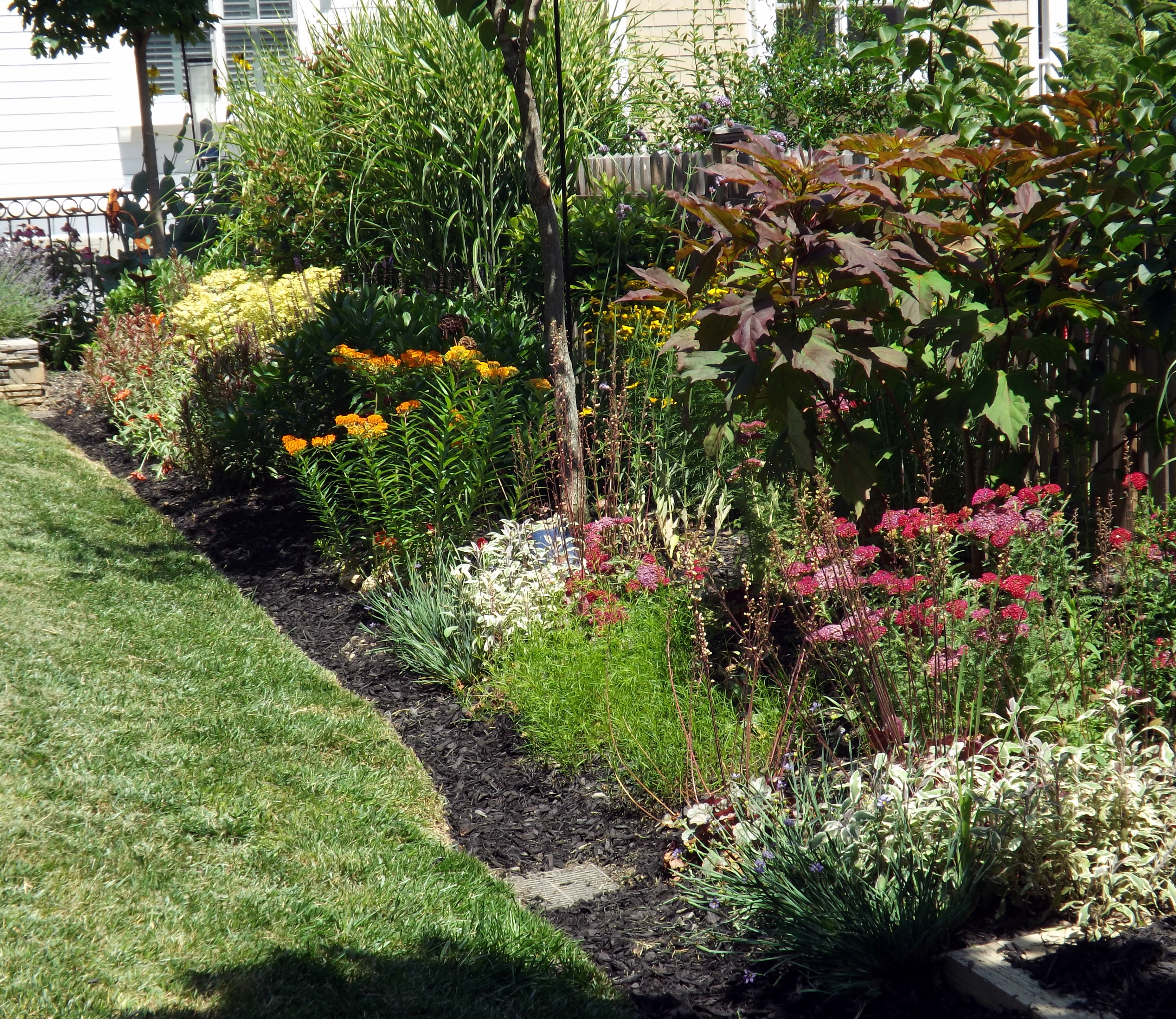
In an earlier post, I included a photo of Garden 2 (G2) in 2011. Here is a photo of G2 last month:

As you can see, G2 has exploded. The focal plant, Crape Myrtle (Siren Red) is now well over fence height, with the Porcupine Grass on either side towering more than 6′. Ultimately, the Crape Myrtle will be taller than the Porcupine Grass; I just hope it doesn’t get suffocated before it gets there. A recurring lesson: check the spread (width) of your plants before planting them.  I only had eyes for height; width wasn’t really a consideration. I was looking for tall, colorful, and handsome, and in some cases ended up with fat and jolly instead. But it’s hard to be upset with a happy plant.

The new Gauras (Passionate Rainbow) on both sides in the front filled in quite nicely, but have yet to bloom. I suspect they will not this year. Maybe I am fated to not have Gauras, though I love them. But the yellow Euphorbia is still pulling its weight, as it has been since March. And new this year are two Azaleas–the two lighter green plants at the far left- and right-hand sides of the photo, just below fence level. I planted them in April, and am already fairly certain they are getting too much sun, so a relocation may be in the works. Another lesson worth repeating from 2011: don’t be afraid to move plants around. Of course, it would be best not to do it at high noon in 100+ degree weather (of the kind we have been experiencing lately); even the hardiest plant would have a rough time under those conditions. In fact, I can’t blame them. I’d wilt, too, if I were unceremoniously dumped into a hot hole with the sun beating down on my head. So I will keep my eye on the azaleas  and move them if needed–on a cooler, overcast day when rain is predicted.

I leave you with a couple other photos of the garden from June: a corner of Garden 1 (G1) featuring some pink and orange Echinacea, as well as Rudbeckia Giant Coneflower, which is stunningly tall, colorful, and handsome, and a total bird magnet.

And Garden 3 (G3) looking down toward G2, with the coppery Hibiscus and crimson-colored Yarrow in the foreground, and orange Butterfly Weed by the tree. Don’t be fooled by the Yarrow, however. It is proving to be all show and no substance. More on that soon.

King of the Garden

4 Jul

At the center of every flower bed, I have one focal flower. In Garden 3 (G3) that flower is a Hibiscus (Kopper King), and when it is in bloom, it commands attention. This year, it is more than 5 feet tall, though it didn’t start out that way. In fact, the first spring after I planted it, I thought I had killed it.  I dutifully cut it down in Fall 2010 to about 8 inches above the ground and let it settle in for the winter.  And then in Spring 2011, nothing happened. All other plants were emerging, but not the Kopper King.  I was about to dig it up in defeat one day when I noticed tiny shoots emerging around the old wood from the previous year. And those shoots took off. Kopper King may be a late bloomer, but it makes up for it with warp-speed growth.

In the lower left of the left-hand photo you can see the Kopper King on May 1, 2012. Well, actually, you can’t see it; the new shoots are still microscopic at this point. But you can see the upside-down flower pots I put around the old wood to keep Schnauzer 1 and Schnauzer 2 from trampling the new growth in their squirrel-chasing rampages through the flower beds. Two brand-new (2012) lilacs are in the background against the fence. The photo on the right shows the Kopper King one month later, in early June.  In less than a month, it grew to the height of the fence. Note the lovely copper-colored foliage.


Within a few weeks, the buds had emerged, and then began to open:


And voila, on July 4 — a flower the size of a dinner plate, one of many to come from a regal plant that more than earns its place in the garden.

Recipe: Red Lentil Dip

30 Jun

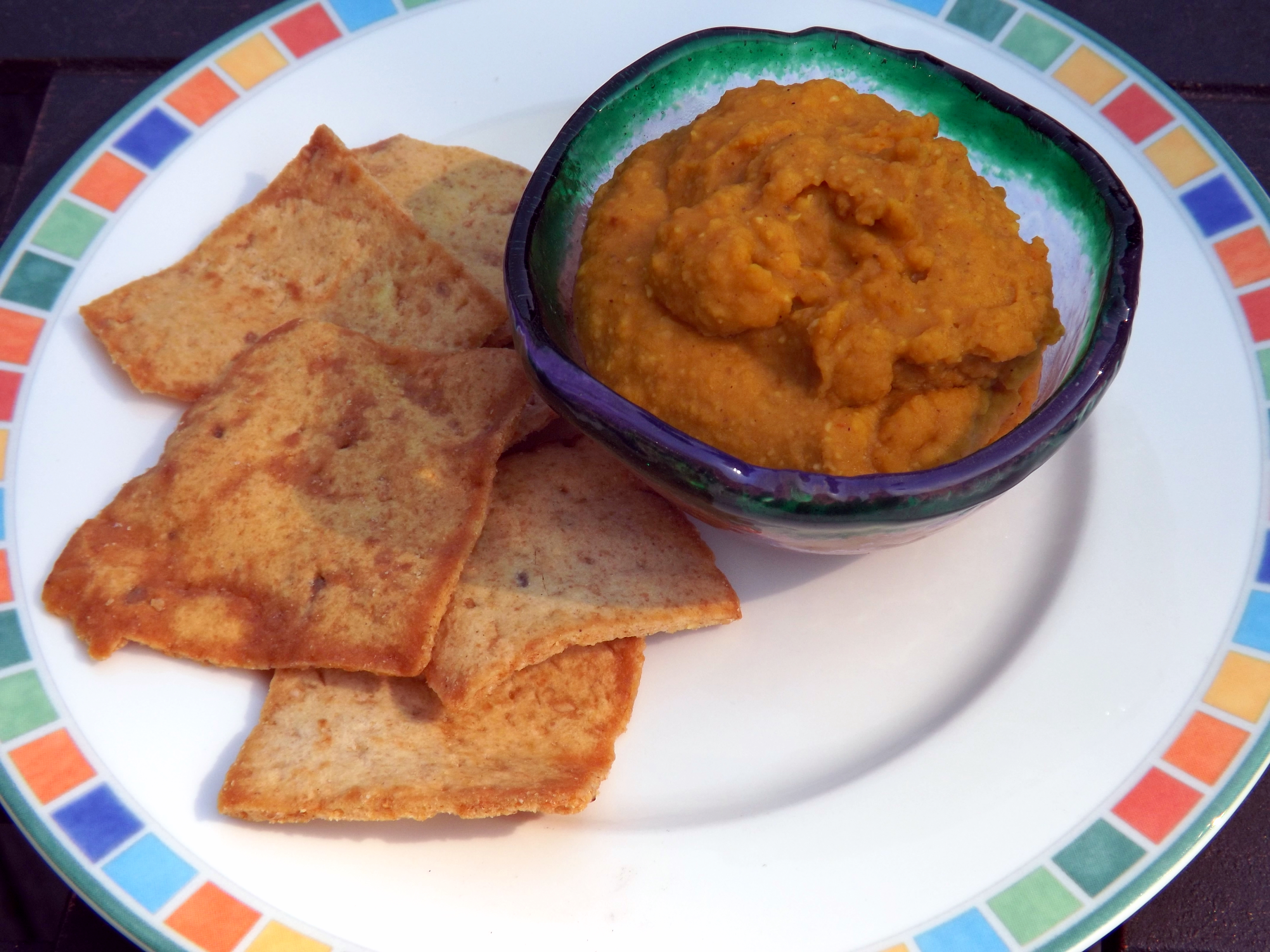
If you love hummus but would like something a little different, here’s a recipe that is equally nutritious and great with pita chips, pita bread, or crackers. Adapted from Cooking Light, this dip has a light curry flavor. Red lentils turn yellow when cooked; the turmeric brings out the golden color.

Red Lentil Dip
Makes about 2 1/2 cups

1 c. dried small red lentils
1 bay leaf
3 tbsp. olive oil
1 c. finely chopped red onion
2 tbsp. pine nuts
3 garlic cloves, minced
1 tsp. salt
1 tsp. ground coriander
1/2 tsp. ground cumin
1/2 tsp. ground turmeric
1/8 tsp. chilli flakes
1 tbsp. tomato paste
3 tbsp. fresh lemon juice

Place lentils and bay leaf in a large saucepan; cover with water to 2 inches above lentils. Bring to a boil. Reduce heat, cover saucepan, and simmer about 10 minutes or until tender, adding water if needed. If any water remains after lentils are fully cooked, drain well. Discard bay leaf.

Heat oil in a small skillet over medium-high heat. Add onion and saute until translucent; add pine nuts and garlic and cook 5 minutes or until nuts are lightly browned. Stir in spices and cook 5 minutes, stirring occasionally. Fold in tomato paste and lemon juice.

Add onion mixture to lentils in saucepan and puree with an immersion blender, or use a food processor and process until smooth.

Feathered, Furry, and Ferrous

26 Jun

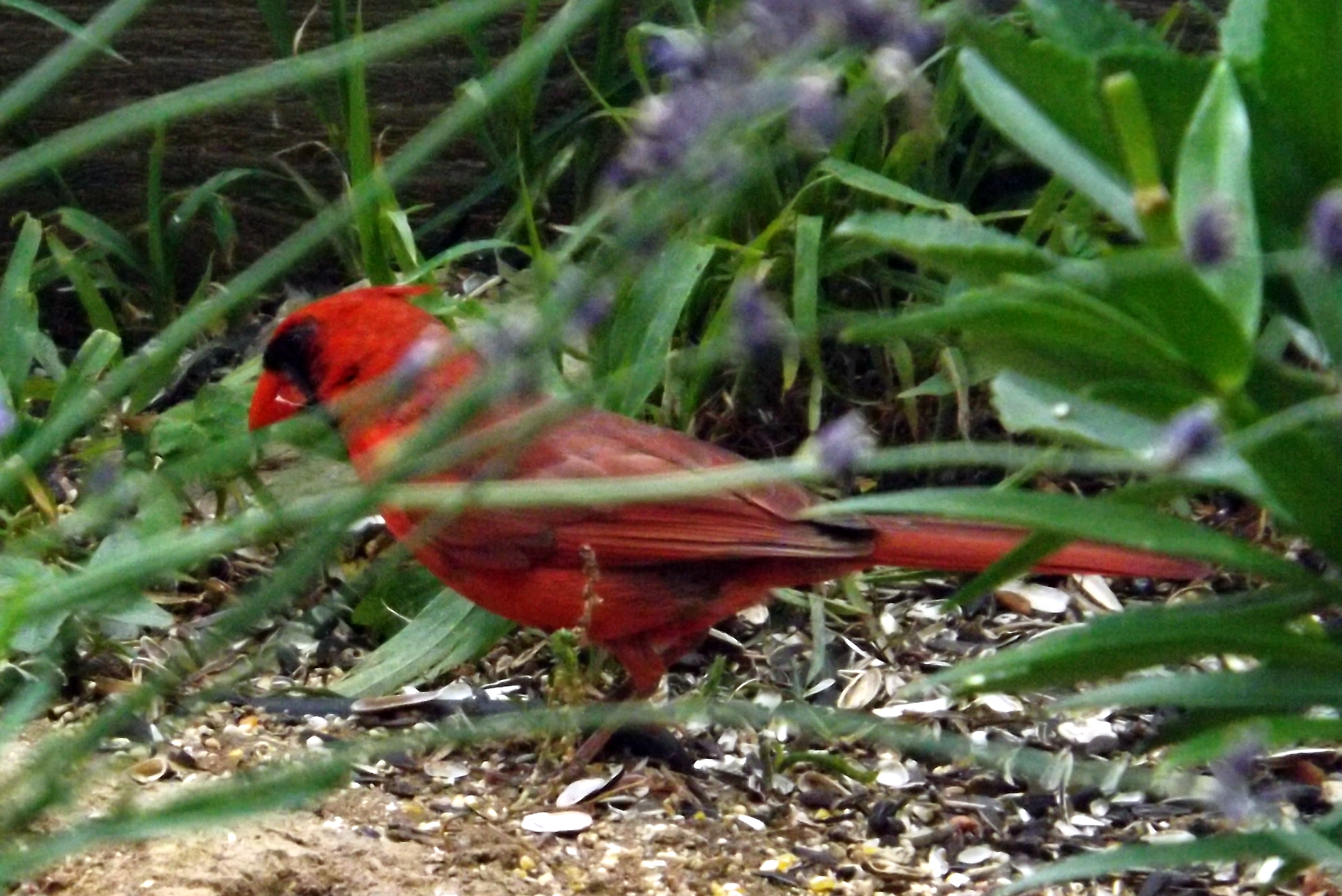
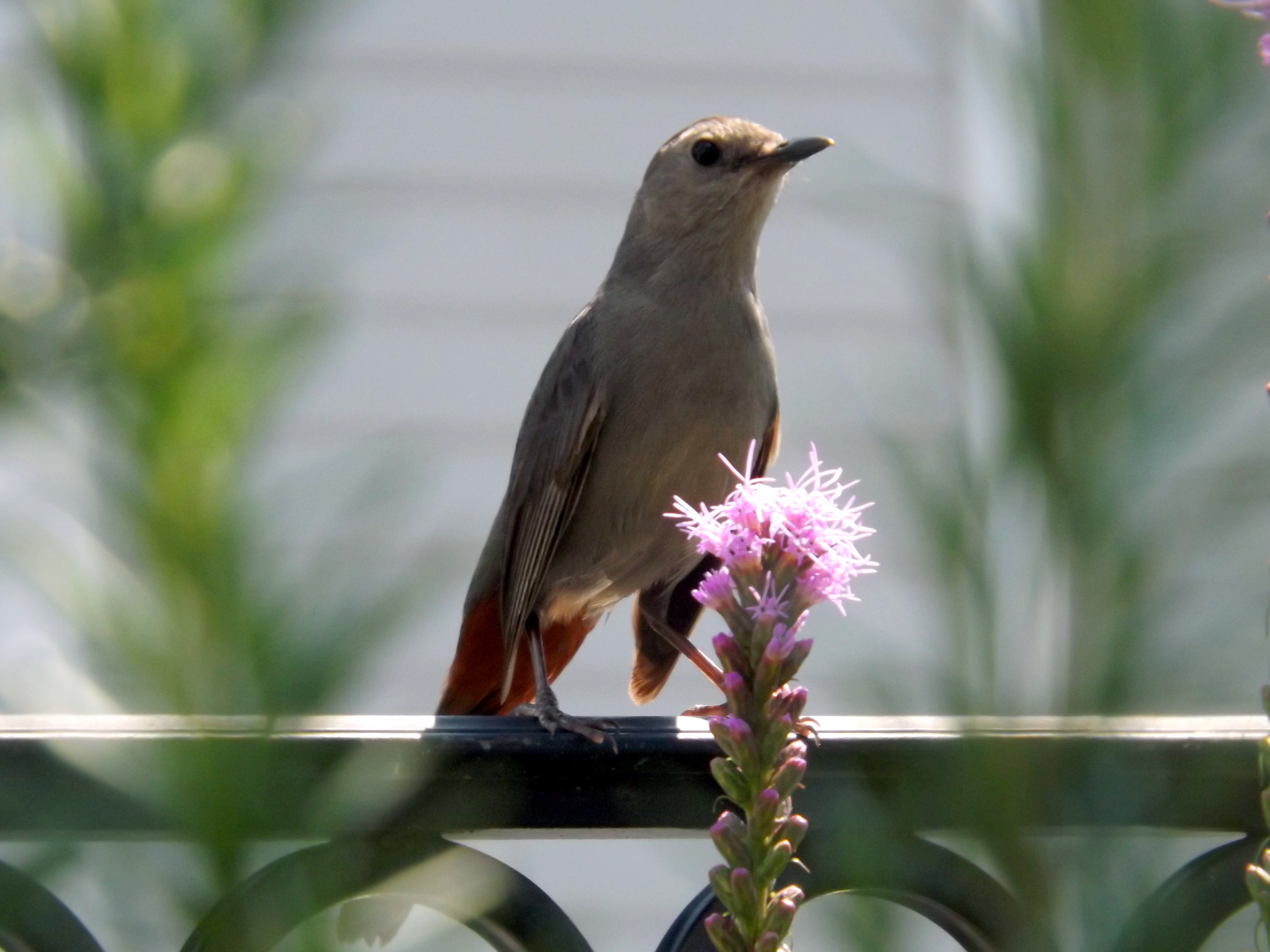
The other day I very quietly sat on our front stoop overlooking the yard, and within about half an hour discovered our yard was teeming with activity. I also discovered something about the personalities of these visitors:

Blue Jays pick out sunflower seeds from the bird feeder, hold them against the post, and then crack them open with a few pecks.


Cardinals are shy…

Catbirds are not; this one keeps an eye on all activity in and out of our yard.

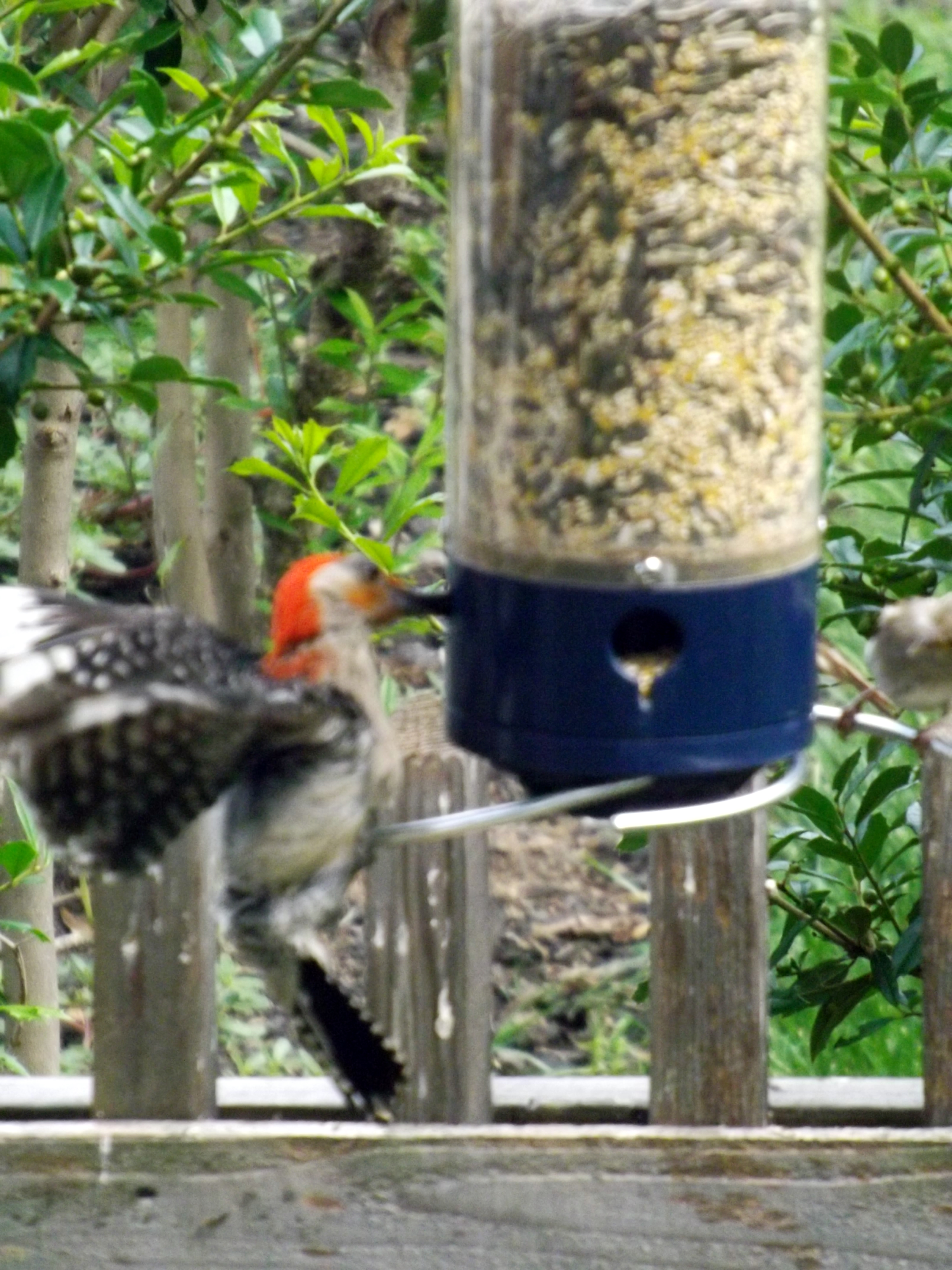
Woodpeckers fly under the radar; this was the first and only time I’ve seen one in our yard, and of course, it chose the bird feeder with collapsible perches, so it’s likely to be the last time….

Chipmunks run with their tails straight in the air.

And, finally,  sheep make excellent guards; they maintain their vigil in all weather.

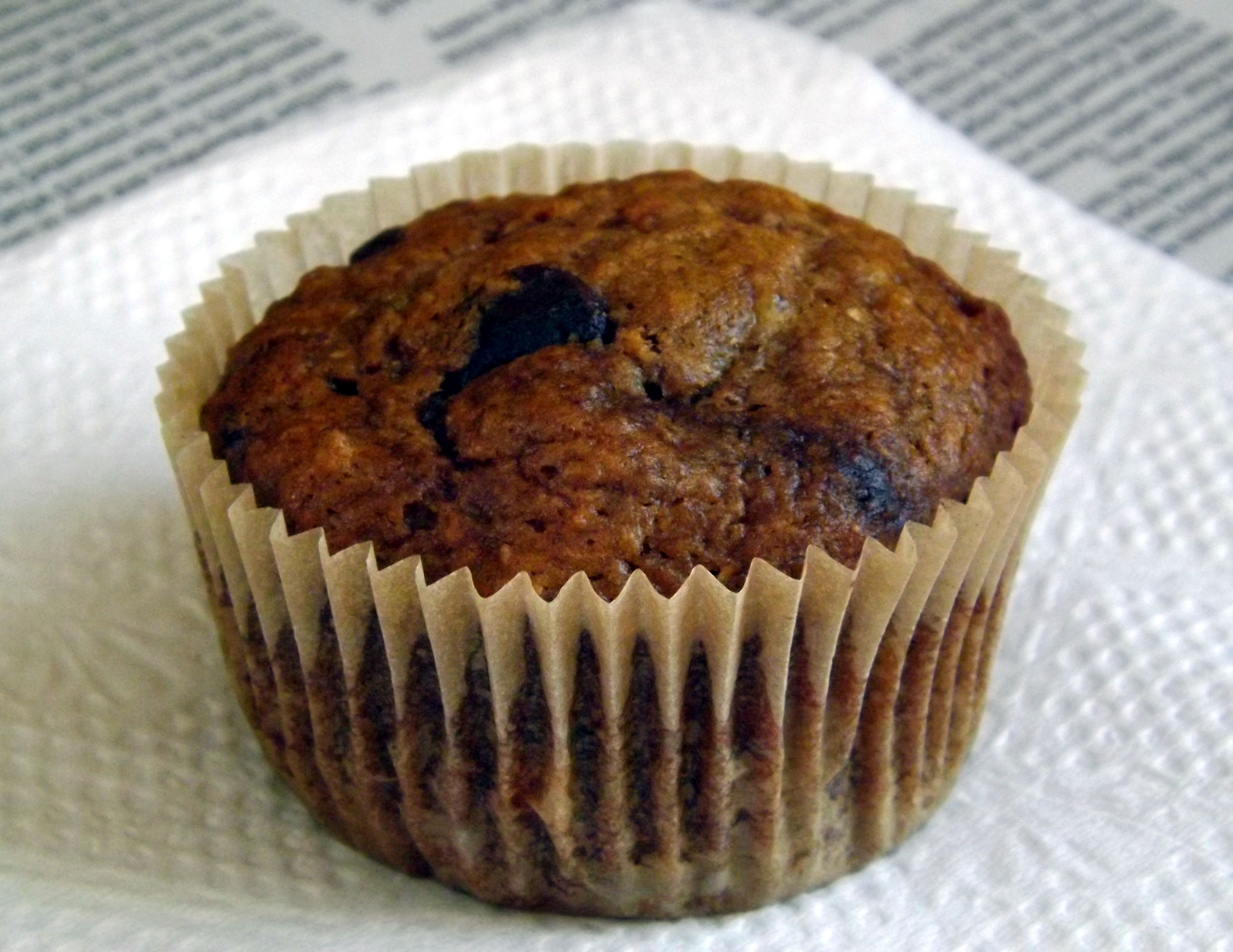
Recipe: Banana Chocolate Chip Muffiins

24 Jun

Prerequisites: lazy Sunday morning, very ripe bananas, recipe requiring minimal prep time, final product not requiring a fork or plate, and tea/coffee and newspaper at hand.

As an added bonus, this recipe is vegan, which not only produces deliciously moist muffins, but also means kids (and adults) can lick the bowl.  The vegan recipes our non-vegan family likes best are those made with every-day, non-perishable ingredients we always have at hand (vanilla soy milk has become one of those ingredients; I keep some in the cupboard for just this purpose, though it goes into the fridge afterward).

During WWII, when butter and eggs were rationed, many cooks in the United States and elsewhere turned to vegan baking out of necessity–hence a whole generation of “crazy cakes” and other confections. If you have not tried anything vegan, try these. They are scrumptious. But if you prefer, you can always substitute regular milk for the soy milk.

Banana Chocolate Chip Muffins
Makes 16+ muffins

1 1/4 c. unbleached white flour
1/4 c. whole wheat flour
2 tsp. ground cinnamon
1 1/2 tsp. baking soda
1/2 tsp. salt
1 c. sugar (I like to use 1/2 c. white sugar, 1/2 c. brown, or whatever I have on hand)
1 c. chocolate chips
1/2 c. chopped walnuts or pecans (optional)
4 ripe bananas, mashed
1/2 c. canola oil
1/4 c. vanilla soy milk
2 tsp. vanilla

Preheat oven to 350. Spray muffin tins with baking spray or use liners.

In a medium bowl, mix dry ingredients, including chocolate chips and nuts (if using). In a large bowl, mix wet ingredients. Gently fold dry ingredients into wet. Spoon batter into muffin tins, filling about 3/4 full. Bake for about 25-30 minutes, or until toothpick (or knife or fork) inserted into the muffins comes out clean.