Beyond Flowers

6 Apr

Yesterday, a daffodil finally bloomed in my garden–the very first flower of the season. Because of the cold snaps we have had, the garden is weeks behind schedule.  There are buds aplenty, but with only one lone flower, there isn’t a great deal of interest just yet.

So we went to see what was happening at the US Botanic Garden, where the Conservatory was brimming with tropical plants in bloom, and the outdoor gardens featured an assortment of early-spring flowers. As lovely as they all were, I found myself drawn to other parts of the plants–the peeling, ribbed, spiked, thorny, and veined bits.

They reminded me that flowers aren’t the only things that add excitement to a garden: bark, branches, foliage, and many other parts can be just as captivating. Especially when there are no flowers to be had…. And, admittedly, even when there are.

 
Iris Rhizomes                                         Leaf of the Quinine Tree


Branch of the Madagascan Ocotillo Tree


Bark of the Quiver Tree

Photo of the Month: March 2013 (African Daisy)

30 Mar

This is the photo of the month for March because it reminds me of spring, which at long last seems to have arrived here in the Mid-Atlantic region of the United States. We took advantage of the glorious weekend to embark upon a much-needed garden cleanup,  which included creating a small rose garden, relocating numerous plants to better spots, and making multiple trips to the nursery.  And that is where I saw other African Daisies, which made me think of this photo I took during our trip to California at Christmas.

Recipe: Easy Weeknight Chili

27 Mar

The snow from a few days ago is now gone, but spring is taking its time getting here. The blustery weather means warm and comforting soups and stews are still on the menu, but I don’t usually get home from work until after 6 pm, so I need quick and easy options like this chili. I make other versions that require more ingredients, more prep time, and more cooking time and though they are well worth the effort, this is my go-to chili for busy weeknights. If you have ground beef or turkey on hand, and canned tomatoes and beans in your cupboards, then you are good to go. We like to top this chili with diced onions, shredded cheese, and crushed tortilla chips. It also goes very nicely with cornbread, which can be made while the various parts of the chili are cooking.

Easy Weeknight Chili
Serves 6

3 tbsp. olive oil, divided
1.25 lb. lean ground beef or turkey
1 large onion, diced
4 large garlic cloves, minced
1 tbsp. chili powder
1 tsp. ground cumin
1 tsp. dried oregano
2 (14.5-oz.) cans diced tomatoes with jalapeno (or use plain diced tomatoes and add a 4-oz. can of diced green chilies)
1 (14.5-oz.) can crushed tomatoes
1 (15.5-oz.) can dark red kidney beans, drained (but reserve liquid in case it is needed)
1 (15.5-oz.) can light red kidney beans, drained
pinch sugar
salt and pepper to taste

Preparation

1. Cook the ground beef or turkey in 1 tbsp. olive oil in a large heavy-bottomed pot until no longer pink; remove from pot, drain if needed, and set aside.
2. Add the remaining 2 tbsp. olive oil to the pot and cook the onion in the oil until it is translucent and beginning to turn golden at the edges. Add the garlic and cook for 2 more minutes. Add the chili powder, cumin, and oregano, and cook for another 2 minutes, stirring frequently.
3. Add the diced and crushed tomatoes, the reserved ground beef or turkey, and the beans; stir to combine. Add a pinch of sugar, then salt and pepper to taste.
4. Simmer for 20-30 minutes, stirring periodically. If the chili seems too thick, add some of the reserved bean liquid. Adjust seasonings as needed.
5. Serve with the accompaniments mentioned above, and perhaps a green salad and fruit.

Recipe: Cornbread

25 Mar

In our early marriage days, my husband and I used to make cornbread, corn muffins, and cornmeal pancakes from a well-known small-box mix.  But then we moved overseas, where there were no boxed mixes, and a whole new world opened up–we had to bake everything from scratch. Today, we still bake from scratch — no longer out of necessity, but because it tastes so good and requires very little extra effort. And of course, any excuse to bake is a good excuse. Here is a very basic but very good cornbread recipe, not out of the box.

Cornbread
9 servings

1 c. flour
1. c cornmeal
3 tbsp. sugar
4 tsp. baking powder
1 tsp. salt
1 c. milk
1/4 c. canola oil
1 egg, lightly beaten

Preparation

1. Heat oven to 425 degrees. Spray a 8- or 9-inch square pan with cooking spray.
2. In medium bowl, combine first 5 ingredients. Stir in remaining ingredients, beating by hand just until smooth.
3. Pour batter into prepared pan and bake for 20-25 minutes, or until toothpick inserted in center comes out clean.

Slightly adapted from Pillsbury Kitchens’ Cookbook.

A Remembrance of Things Past

21 Mar

At the moment, the wind is biting, the temperature is dropping rapidly, and we are in for a frost tonight. Still, I am on the verge of getting carried away by spring and all the promise it holds — new growth, new surprises waiting to be discovered, and oh-so welcome color. Spring is just on the horizon, I know it. But today is a reminder that we are not quite there yet. It seems a good moment to give a shout out to some of last year’s plants that came through winter and managed to retain a stark splendor even though their color had long faded. These old plants will soon make way for the new, but here is a brief photographic remembrance that will last even after their time has well and truly passed.


Hydrangea Paniculata


Dried Seed Pods, Unidentified Tree


Echinacea (Ruby Giant)

Bursting Forth: Red Maple

18 Mar

Two weekends ago, I included a photo of tiny, closed, jewel-like maple buds in a post called Ready for Spring.  I recognized the neighborhood tree as a maple, but wasn’t sure what kind of maple it was. The answer was staring me in the face the whole time.  It is a red maple (Acer rubrum), which makes perfect sense given the color of the buds…. I’ve since stopped by that same tree a couple of times to see if the buds had started to open. This past weekend, they did — and I was reminded that beautiful things can come in very small packages.


Japanese Flowering Apricot

16 Mar

Washington DC is gearing up for this year’s Cherry Blossom festival from March 20 to April 14. It is not only an annual celebration of the capital’s famous cherry trees, but also a key indicator that spring might finally be here. The peak bloom period is expected to be March 26-30.

As gorgeous as the cherry blossoms are, there is an equally gorgeous ornamental tree that is in bloom earlier, from January through March, and that can be seen in the relative calm of Maryland’s Brookside Gardens. It is the Japanese Flowering Apricot (Prunus mume), which puts on a quite a show at a fairly monochromatic time of year in the Northern Hemisphere–a time of year when we are all becoming a bit desperate for some color.

Despite its striking beauty, this tree is not as well known in the United States as other ornamental trees, though more nurseries are now stocking it. Aside from the wonderful attribute of being in bloom when almost nothing else is, the tree is also ideal for smaller gardens, since it only gets to about 20-25 feet. I am now sorely tempted to re-evaluate my garden plan.

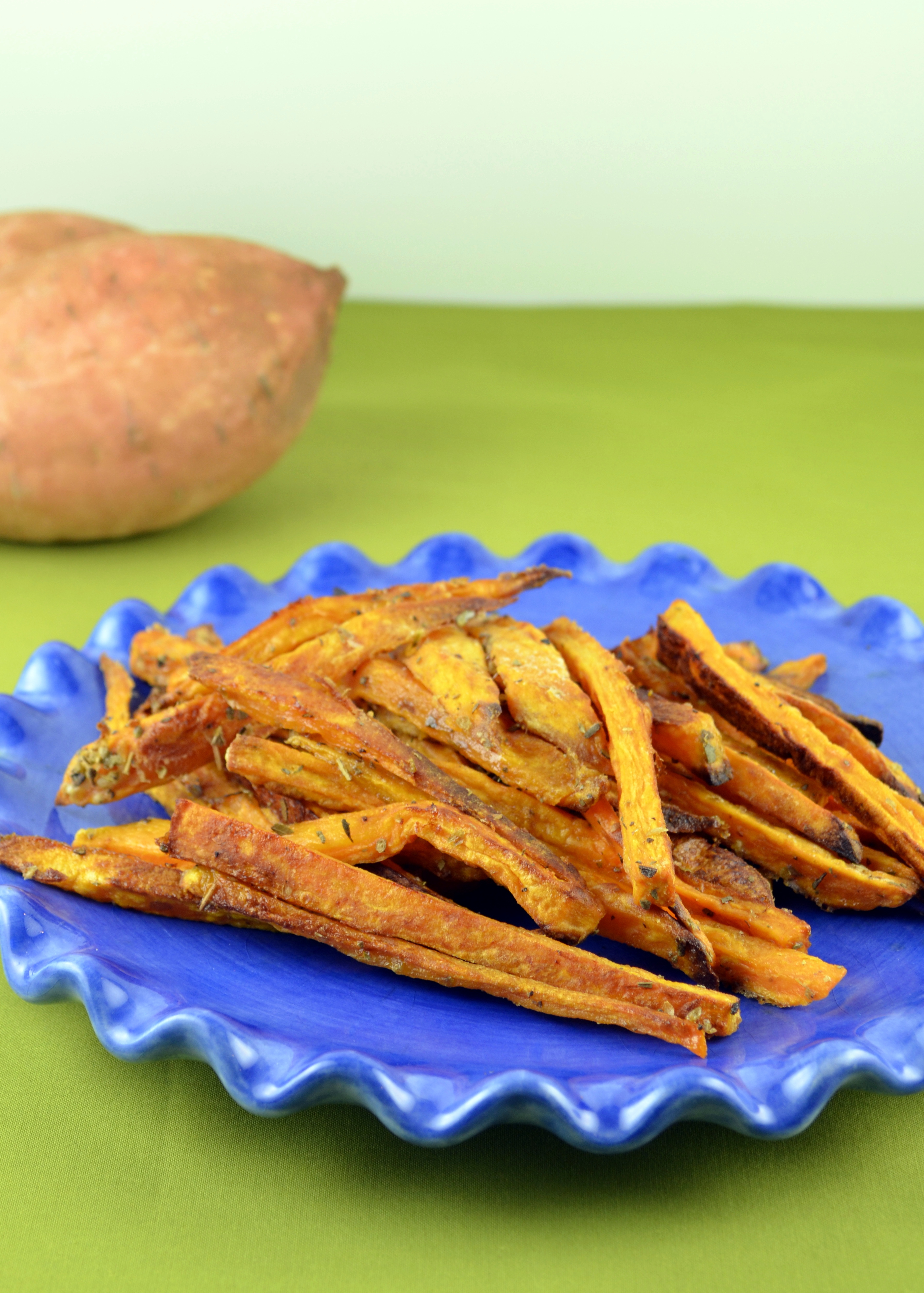
Recipe: Baked Sweet Potato Fries

13 Mar

In the United States, grocery stores offer both sweet potatoes and yams, which are not botanically related. Except that here, they are one and the same.  The “yams” sold in the United States are orange-fleshed sweet potatoes. Real yams are starchy and drier than sweet potatoes and have a rough and shaggy exterior. The problem is that white-fleshed sweet potatoes arrived on American shores first, so when the orange-fleshed versions put in an appearance, they were labeled as “yams” to avoid confusion. In the end, Americans have become more confused than ever.

On the plus side, the orange-fleshed sweet potato (AKA “yam” in the United States) is an excellent source of beta-carotene, which is responsible for the orange color. Beta carotene protects cells from pesky free radicals and is also converted into Vitamin A.

But all that aside, sweet potatoes are delicious — especially in the form of sweet potato fries, which make a regular appearance (and disappearance) at our house. These fries are crispy on the outside and soft, sweet, and rich on the inside. And since the olive oil they are tossed in enhances the absorption of the beta carotene, eating these super fries is a win-win situation all around.

Baked Sweet Potato Fries
Serves 4-6

4 sweet potatoes, peeled and sliced into thin strips
6 tbsp. olive oil
2 tbsp. cornstarch/arrowroot powder/wheat flour/rice flour
2 tsp. salt
2 tsp. dried oregano

Preparation

1. Heat oven to 450 degrees. Spray two large baking sheets with cooking spray.
2. Place sweet potato strips in large bowl; toss with olive oil.
3. Add remaining ingredients; toss well to combine.
4. Place the sweet potato strips on the baking sheets, in one layer.
5. Bake for 40-45 minutes, or until golden.
6. Enjoy!

Witch Hazel

9 Mar

Until today, I knew next to nothing about Witch Hazel. I had a vague idea it could be found in a bottle at the pharmacy, but thought of it as something from a bygone era, like cod liver oil. Not that it didn’t have its uses –I just wasn’t sure what those uses were….

But an absolutely glorious day propelled me to nearby Brookside Gardens in Wheaton, Maryland to see what might be of interest there. Turns out, there was a great deal of interest, not the least of which was Witch Hazel (Hamamelis). As I came around a bend I noticed a tree (ok, technically a very large shrub) with the most delicate, spidery looking flowers on it. It was striking not only because it was in bloom, but because the flowers were almost ethereal. I bent to read the sign beneath and learned it was a Witch Hazel, something I had not see before. But once I saw that one, I noticed many others, in different colors, all equally stunning. I immediately experienced garden envy. Or perhaps garden regret–there is only so much I can pack into my own small garden, and Witch Hazel will just have to be admired from afar.

Below are a few photos of a remarkable plant, the extract of which helps control blemishes, soothe burns (including sunburns and razor burns) and cuts and bruises, relieve insect bites and itchy poison ivy/poison oak, and relieve tired eyes. Now that I know this, I will certainly get some extract from the pharmacy in the near future, but for now I will feast my eyes on the lovely Witch Hazel flowers and feel glad that I learned something new today.


‘Diane’


‘Diane’


‘Orange Peel’


‘Moonlight’

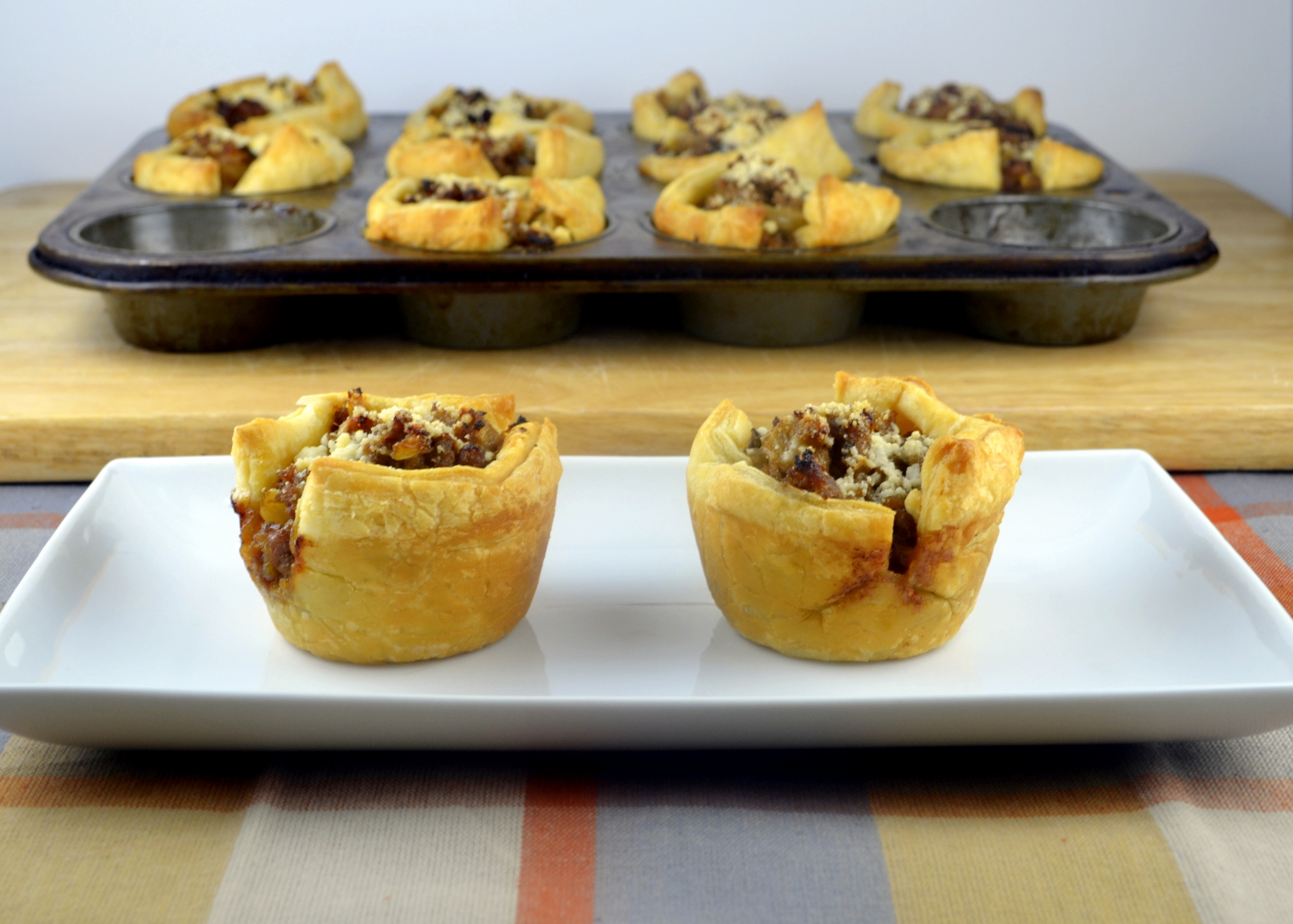
Recipe: Sausage, Fennel, and Mushroom Pastry Puffs

6 Mar

Puff pastry is a magical ingredient. If you have some in the freezer, you will be able to pull together a savory meal or a sweet dessert in barely more time than it takes to cook the pastry once it has thawed. If you are someone who makes puff pastry from scratch, my hat is off to you. I may get there one day, but for now I am happy to rely on the prepared kind. In this recipe, the onion and fennel almost melt together, adding a subtle layer of flavor to the sausage and mushroom. And crisp, flaky pastry makes everything better.

Sausage, Fennel, and Mushroom Pastry Puffs
Yield: 12 puffs

1 pkg. puff pastry (about 17.5 oz. = 2 sheets), almost thawed
2 tbsp. olive oil
1 lg. onion, finely chopped
1 bulb fennel, trimmed, cored, and finely chopped
8 oz. mushrooms, trimmed and chopped
sprinkle red chili flakes
salt & pepper
6 links sweet Italian turkey sausage (1.5 lb.), casings removed
6 tbsp. grated Parmesan or Pecorino Romano cheese
chopped parsley (optional)

Preparation

1. Let puff pastry thaw while you make the filling — but before the pastry comes to room temperature, unfold it and slice each sheet vertically into three sections along the fold lines (each sheet is folded like a letter), then cut each section in half. After cutting up both sheets, you will have 12 small rectangles of pastry. It is easier to cut the pastry, and to maintain the rectangular shapes, when the dough is still a tiny bit frozen. Set the pastry rectangles to one side in a single layer (if they are touching each other, they may stick together).

2. Heat olive oil over medium heat in a large skillet and add onions and fennel. Cook until onion is soft; add chili flakes (if using) and season with salt and pepper. Add mushrooms to the onion/fennel mixture and cook until liquid is released and mixture is relatively dry. Add the sausage, and cook until all liquid has evaporated, breaking up sausage as much as possible. Check seasonings, then let mixture cool for a few minutes.

3. Preheat oven to 400 degrees. Spray a 12-cup muffin tin with cooking spray. Place one pastry rectangle into each muffin cup; the edges will drape over, which is fine–the end result will be somewhat free form. Distribute the filling among the muffin cups, sprinkle parsley (if using) and about 1/2 tbsp. Parmesan/Romano on top of each puff, and bring the pastry edges over the filling to loosely cover.

4. Bake until golden, about 30 minutes. Let cool for 5-10 minutes before serving.