Recipe: Pumpkin Brownies

31 Oct

After an intense pumpkin-carving session, which requires mastering a new media–gourd–and imposing your artistic vision upon it, what better way to unwind than with something warm, sweet, comforting, and Halloween related: Pumpkin Brownies! While they cannot compete with a ghoulish jack-o-lantern on the fright-o-meter, they are a vision in their own right.  At our house, they absolutely must be served with vanilla ice cream and caramel sauce.

Pumpkin Brownies
Makes 9 brownies

½ c. all-purpose (or unbleached) flour
½ c. whole wheat flour
1 tsp. baking powder
¼ tsp. salt
1.5 tsp. cinnamon
½ tsp. ground ginger
1/8-1/4 tsp. ground cloves
½ c. butter, softened
1 c. packed dark brown sugar
1 large egg plus 1 large egg yolk
1 tsp. vanilla
¾ c. pumpkin puree
baking spray

vanilla ice cream
caramel sauce (home-made, or store bought)

Preparation
1. Preheat oven to 350 degrees. Spray an 8-inch-square baking pan with baking spray.
2. In a small bowl, mix together the flours, baking powder, salt, and spices.
3. In a large bowl, combine softened butter and brown sugar and beat on medium-high speed until sugar is completely incorporated. Add egg, egg yolk, and vanilla and beat just to blend.
4. Add flour mixture and beat at low speed to combine. Beat in pumpkin puree.
5. Spread batter in prepared pan, and bake brownies until toothpick comes out clean, about 35 minutes. Let cool for about 10 minutes.
6. Cut warm brownies into 9 squares, and serve with vanilla ice cream and caramel sauce.

Happy Halloween

31 Oct

Happy Halloween! In honor of the day, I am sharing a tinted photo of the extremely tall tulip poplar tree that I see out of my window when writing blog posts. The tree very fortunately survived Hurricane Sandy and did not wobble in the direction of our house. As a token of my gratitude (and after realizing that the photo looked quite eerie), I decided the tree deserved a spot in the Halloween line up.

Later this evening–a perfect Halloween recipe: Pumpkin Brownies. Stay tuned.

Recipe: Cinnamon Hazelnut Biscotti with Chocolate

29 Oct

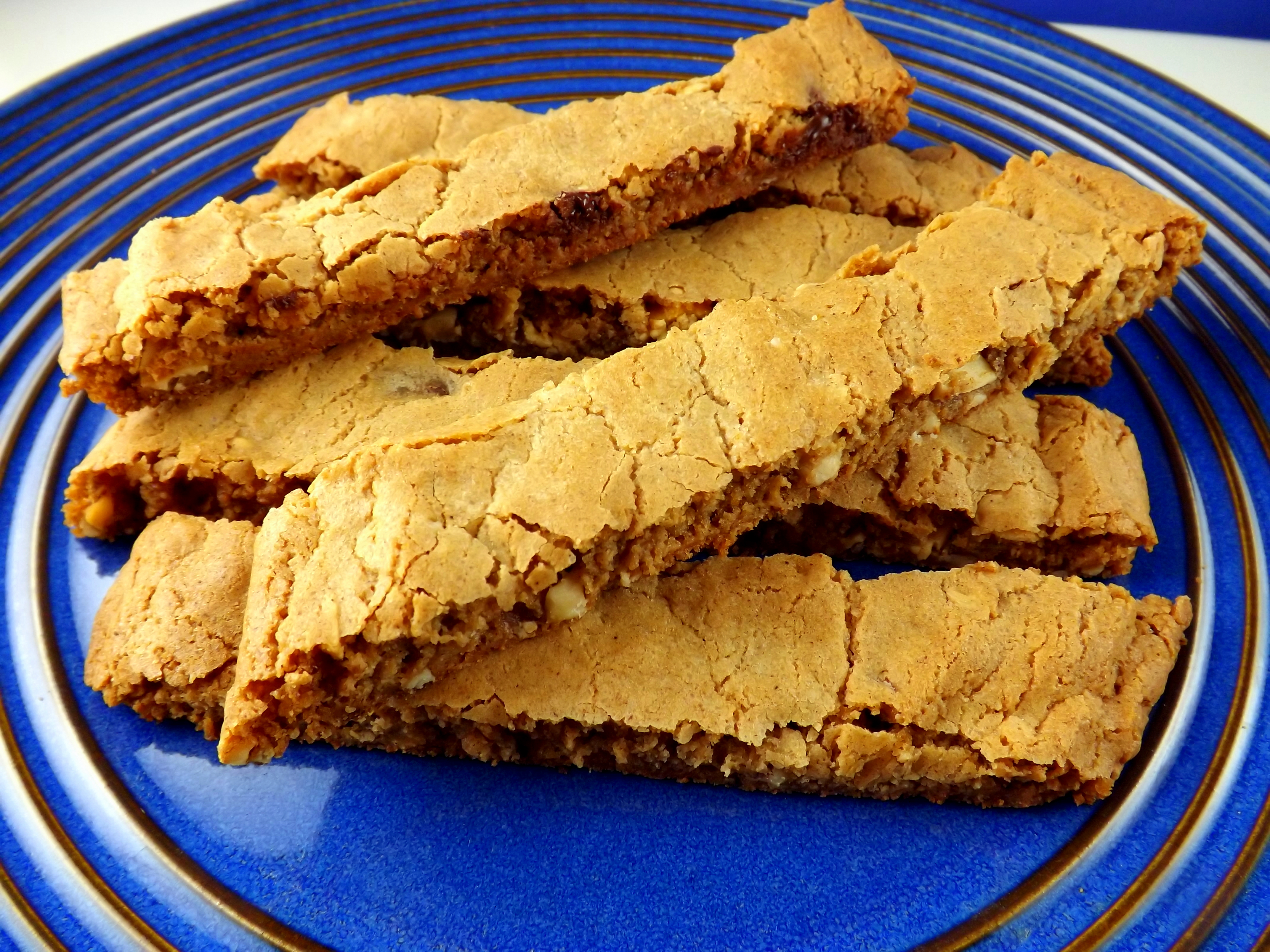
So, what do you do when 1) a hurricane is approaching, 2) you are as prepared as you can possibly be (if that’s possible), 3) you still have power but probably won’t have it for long, and 4) family members are getting a bit restless from the enforced confinement? I bake.

In my mind, biscotti are a food that will keep well and provide comfort under any circumstances. And, I happened to have all ingredients on hand, though our supply of dark chocolate chips was suspiciously low and I had to make do with a few sprinkled in mostly for effect. Had I had more, I might have considered melting some and dipping one end of each baked biscotti in chocolate, to get us through the next few days. However, my husband is happy to have a small reprieve from the chocolaty baked goods produced at our house, and is delighted with this pared-down version. Note: I baked these twice, as is traditional for crisp biscotti (biscotti means “twice cooked/baked” in Italian), but these are also lovely soft–just omit the second baking.

Enjoy these with tea or coffee any time–not just when a Frankenstorm is on its way.

Cinnamon Hazelnut Biscotti
Makes about 32 biscotti

1 c. sugar
1 c. packed dark brown sugar
¼ c. toasted hazelnuts (I used chopped; whole would be nice, too)
¼ c. toasted almonds (I used sliced; whole or slivered would be fine)
¼ c. dark chocolate chips
1/3 c. canola oil
2 tsp. cinnamon (3 tsp. if you really like cinnamon; we do)
2 tsp. water
2 tsp. vanilla
2 large eggs, beaten
2 1/2 c. all-purpose (or unbleached) flour
2  tsp.  baking powder
cooking spray

Preparation
1. Preheat oven to 375 degrees. Spray two large baking sheets with cooking spray.
2. Combine first 10 ingredients in a large bowl; mix well. In a small bowl, stir flour and baking powder together; add to sugar mixture, stirring until well combined and a soft dough forms. Divide dough into four pieces.
3. Using clean hands, shape each piece of dough into a 3/4″ -thick rectangle. Place two rectangles of dough on each baking sheet, pressing into shape as needed.  Bake 20 minutes. Remove from oven, but do not turn oven off.
4. Cut each rectangle diagonally into 3/4″ slices (cut straight on the baking sheet). Spread the slices out a bit on the baking sheet, and bake again for about 10 minutes, or until golden.
5. Let cool 10 minutes before serving.

Bee-fuddled: The Tribulations of Male Bees

28 Oct

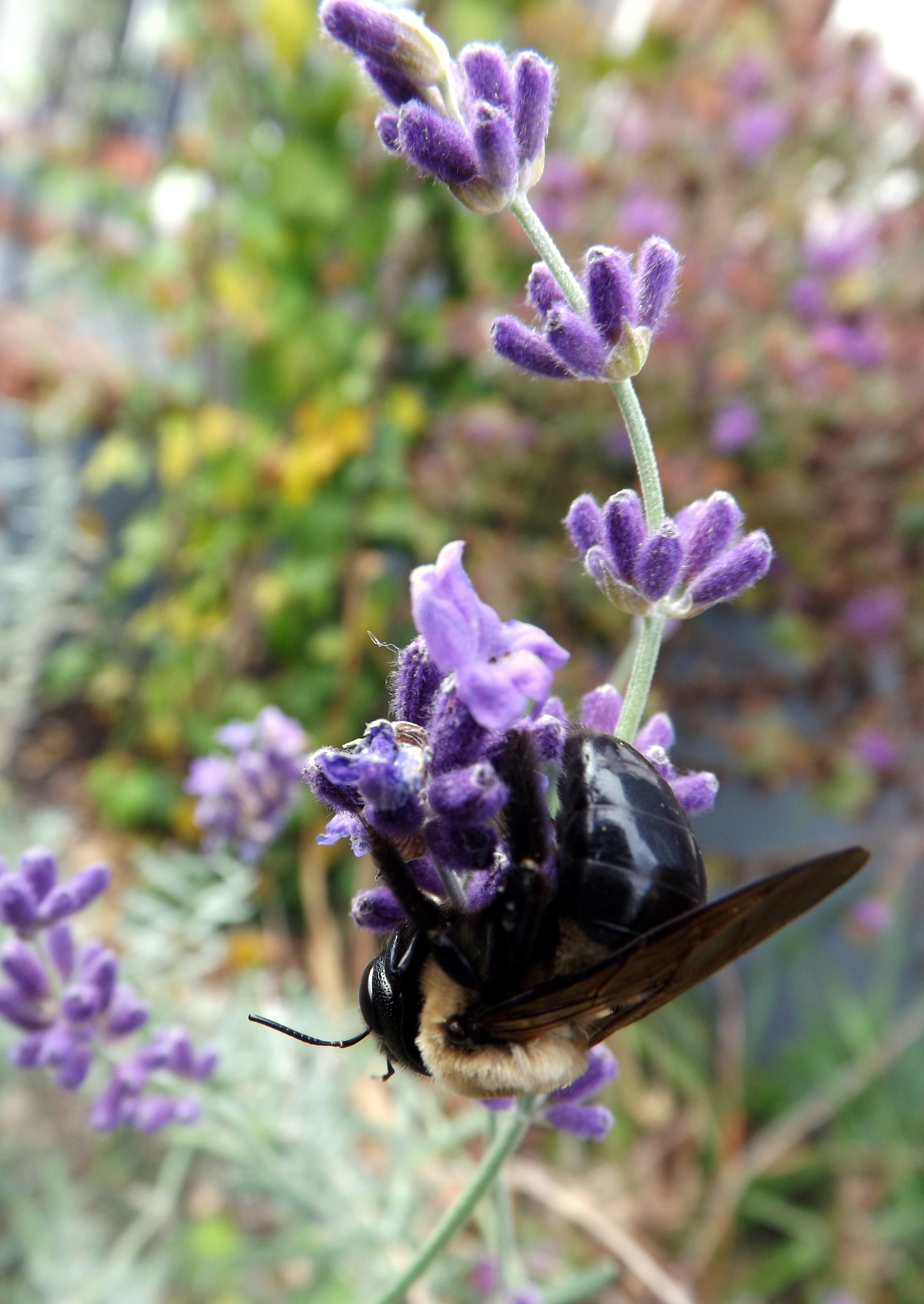
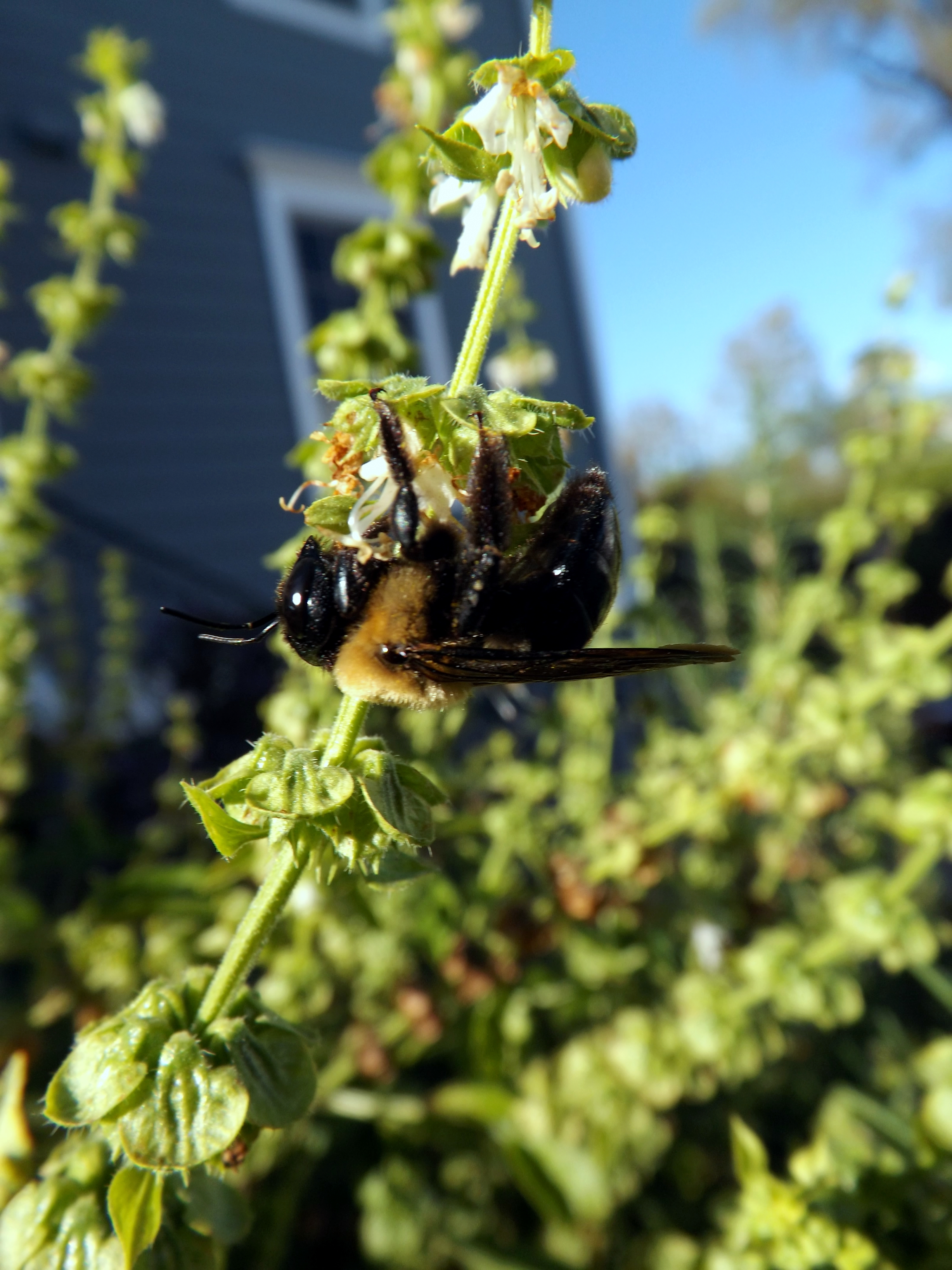
This autumn, I’ve seen numerous immobile bumblebees hanging upside down on flowers in the garden. At first I thought they were dead, or perhaps sick. But now I know they are male bumblebees, recuperating from all the wining and dining they do–ie, drinking nectar and trying to get lucky with new queen bees.


Once a male bumblebee leaves the colony, it doesn’t usually go back. It must feed itself and find somewhere to sleep–either in or on a flower. My garden doesn’t have too many big flowers left to crawl into, so the bees latch on to the smaller flowers (in the photos above: gaillardia, lavender, basil, and hyssop) and let gravity do its work. Because the body temperature of a bee matches its surroundings when it is at rest, it quickly becomes immobile in colder weather and has to wait for more sun to warm up again. It can also re-energize by drinking more nectar, but that is somewhat difficult to do when comatose. Luckily, bees warm up fairly quickly. That is a good thing since a male bumblebee’s #1 job is reproduction, and the chase requires lots of energy.

But what is the reward for all the male’s effort? Not much. Most male bumblebees don’t ever get a chance to mate, since it’s a very competitive world out there. And even if they do manage it, the one who benefits is the new queen. Once she has mated, she tucks in for the winter and hibernates underground, awaiting the moment next spring when she can start her own colony. The males (and the rest of the bees: the old queens, worker bees, etc.) do not survive the winter.

Recipe: Papaya with Lime

14 Oct

The first time I had papaya was as a teenager while visiting South America, and I was blown away by the simple presentation: ripe papaya, a sprinkle of sugar, and a squeeze of lime. I’ve been eating it ever since. Soft, slightly sweet, and packed with Vitamin C, papaya is also known for its soothing digestive properties. So if you ever need a boost, papaya is your fruit. I serve this dish as an accompaniment to Latin American meals (or whenever the urge strikes). Ripe papaya is also very nice in fruit salads.

Papaya with Lime
1 papaya (look for papaya that gives a little when you press it–a mottled green/yellow coloration is normal)
1-1.5 tbsp. sugar
juice of 1 small lime

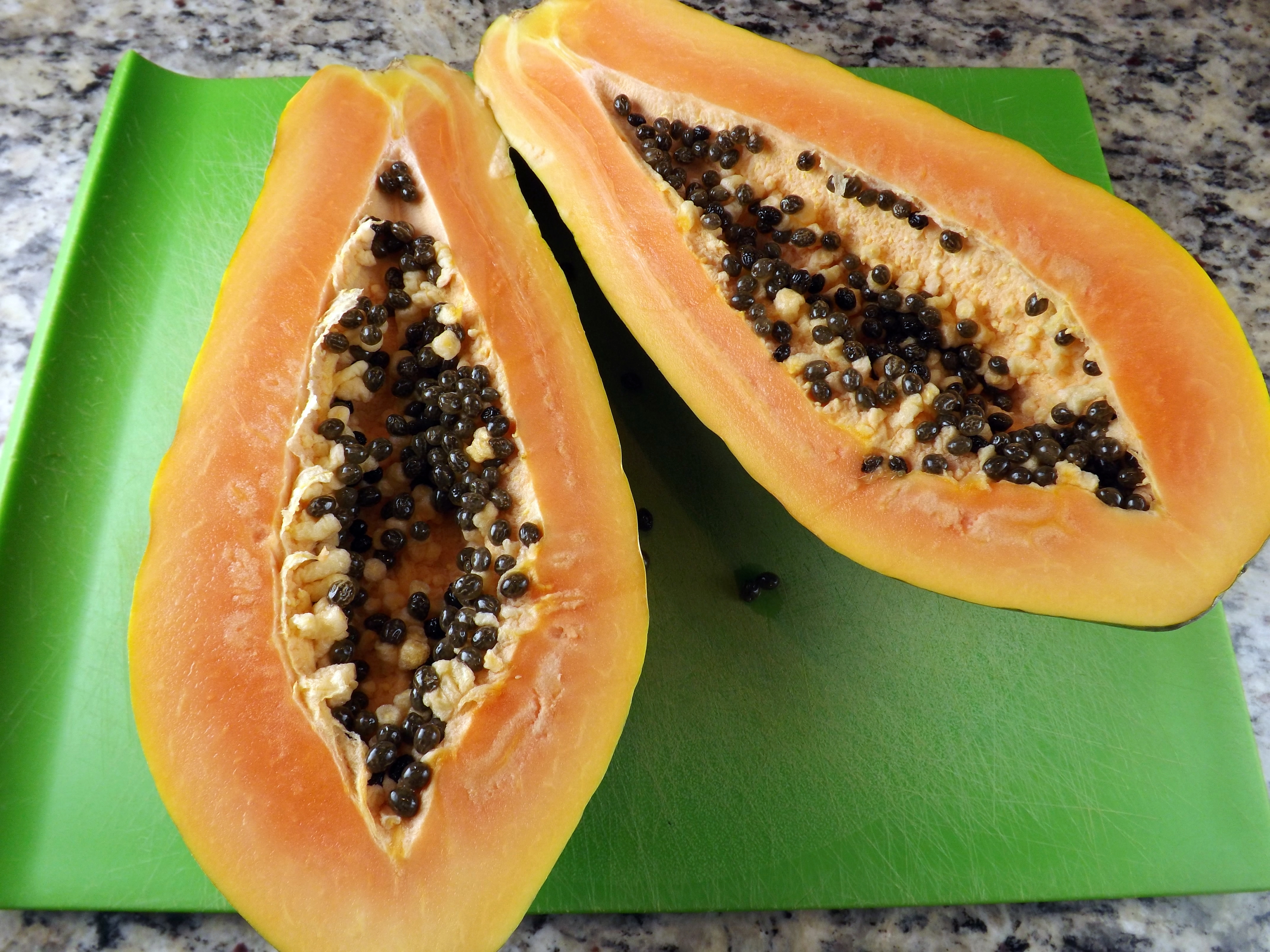
To prepare, cut fruit in half lengthwise and scoop out the seeds with a spoon:

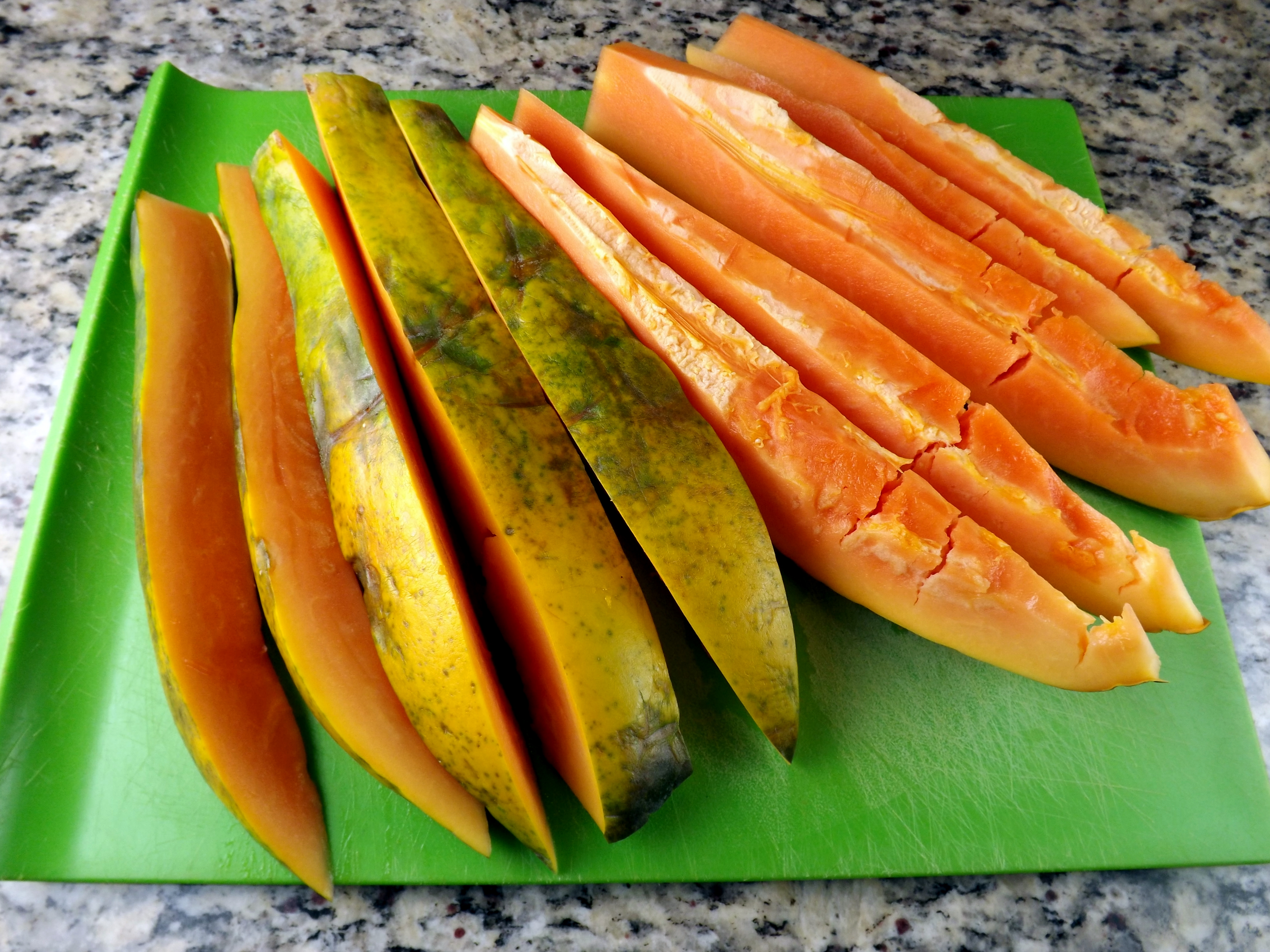
Cut each half into strips with a sharp knife:

Peel each strip, cut into cubes, place in a serving bowl. Sprinkle with sugar and lime juice. Toss gently and serve (or refrigerate until ready to serve).

Recipe: Chicken (or Veggie) Tajine

13 Oct

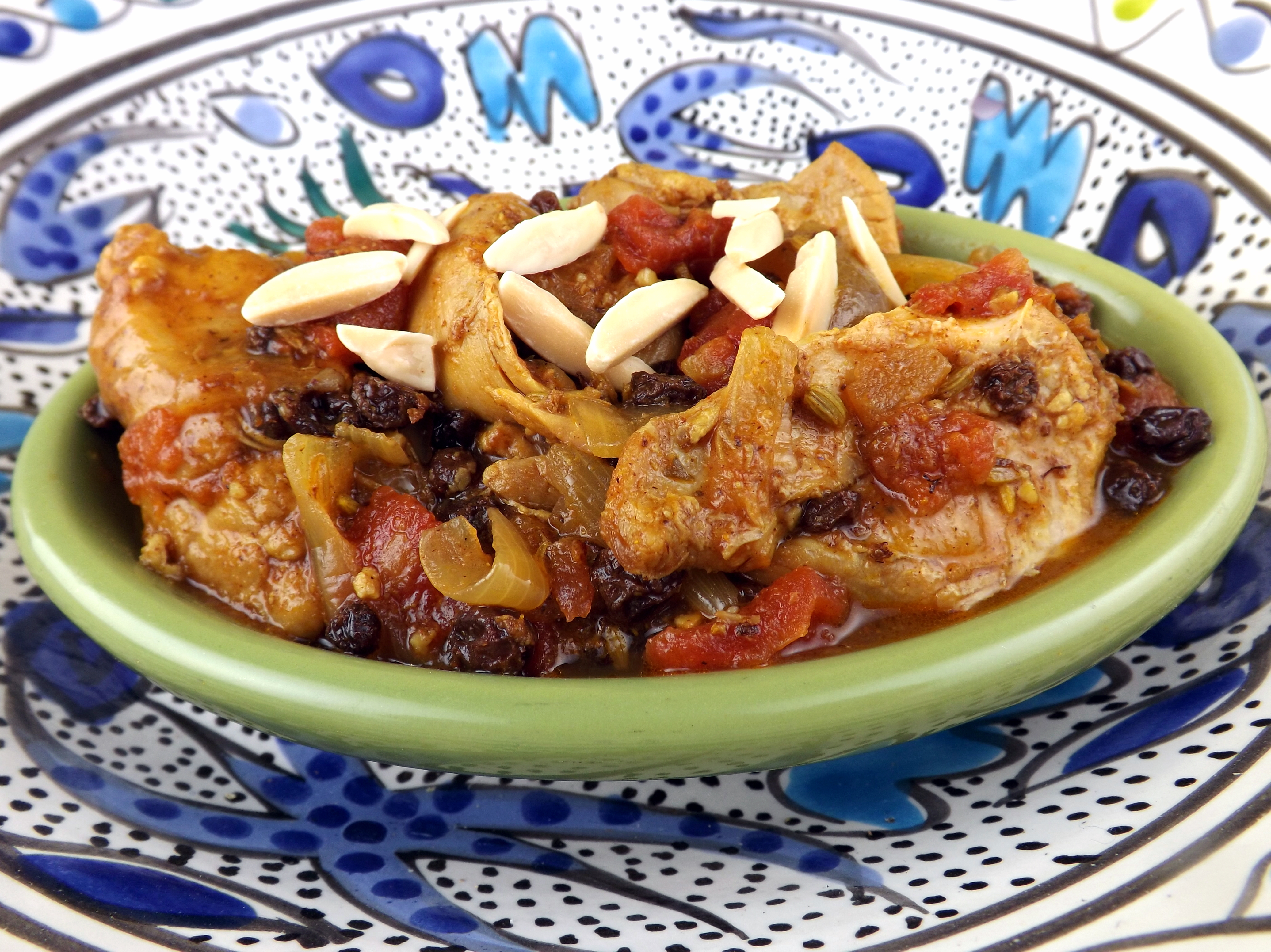
There are certainly as many ways of making a tajine (tagine) as there are ways of making Spaghetti Bolognaise, but all boil down to the same delicious result: a fragrant, soul-warming North African stew that is perfect for a crisp autumn day. This version–with just a hint of sweetness from the cinnamon, currants, and honey–is a favorite.

Tajines are named for the two-piece clay pot that they are traditionally cooked in. The pot has a flat bottom with deep sides, and a conical lid. The brightly colored glazed versions are gorgeous. Alas, I don’t have a tajine, so instead prepare this dish in a large, enameled, cast-iron Dutch Oven with a lid. This version is made with chicken, but is very easy to convert to a vegetarian or vegan dish:  substitute garbanzos beans (chickpeas) and veggies for the chicken. I usually add chickpeas anyway since I am quite fond of them, but this time around had a smaller crowd at home so omitted them. I also forgot the carrots, but luckily this dish is very forgiving. Don’t be put off by the long list of ingredients–most of them are spices. I put the spices into a small bowl while the onions are cooking, and add them all at once.

Toasted almonds are a must as an accompaniment–they add a nice crunchy texture to the dish; toasted pine nuts would work, too. Serve with couscous.

Chicken Tajine
Serves 8

2-6 tbsp. olive oil
2 large  onions (cut onions in half, julienne, then cut slices in half again)
1 c. shredded carrots
6 large garlic cloves, minced
1 tbsp. sweet paprika
2 tsp. ground coriander
1 tsp. salt
1 tsp. turmeric
1 tsp. fennel or anise seeds
1 tsp. freshly ground black pepper
1 tsp. ground cumin
1 tsp. ground cinnamon
1 tsp. ground ginger
10 whole cloves
2 (14.5-oz.) cans petite diced tomatoes, undrained
1/2 c. chicken or veggie broth
juice from 1 lemon
3 lb. boneless, skinless chicken thighs, fat removed, cut into thirds
1 c. currants
1 (15.5-oz.) can chickpeas, drained
1 tbsp. honey
2 tbsp. butter (or non-hydrogenated buttery spread)
1/2 c. toasted almonds (slivered or sliced), or pine nuts

Preparation
1. Heat 2 tablespoons olive oil in heavy, large Dutch oven over medium heat. Brown chicken (in batches if necessary); remove from pot.
2. Add onions, carrots, and garlic to pot (plus more olive oil if needed). Cover and cook until onions are soft, about 10 minutes. Add paprika, salt, turmeric, coriander, fennel seeds, black pepper, cumin, cinnamon, ginger, and cloves; stir 1 minute. Add tomatoes, broth, and lemon juice; bring to boil. Put chicken back into pot in a single layer and add currants and chickpeas (if using). Nestle chicken into sauce; bring to boil. Reduce heat to medium-low, cover, and simmer about 30 minutes. Remove lid. Add honey and butter and simmer about 30 minutes longer, uncovered.
3. Check and adjust seasonings. Before serving, sprinkle with almonds and cilantro. Serve with couscous.

A Flock of Starlings

8 Oct

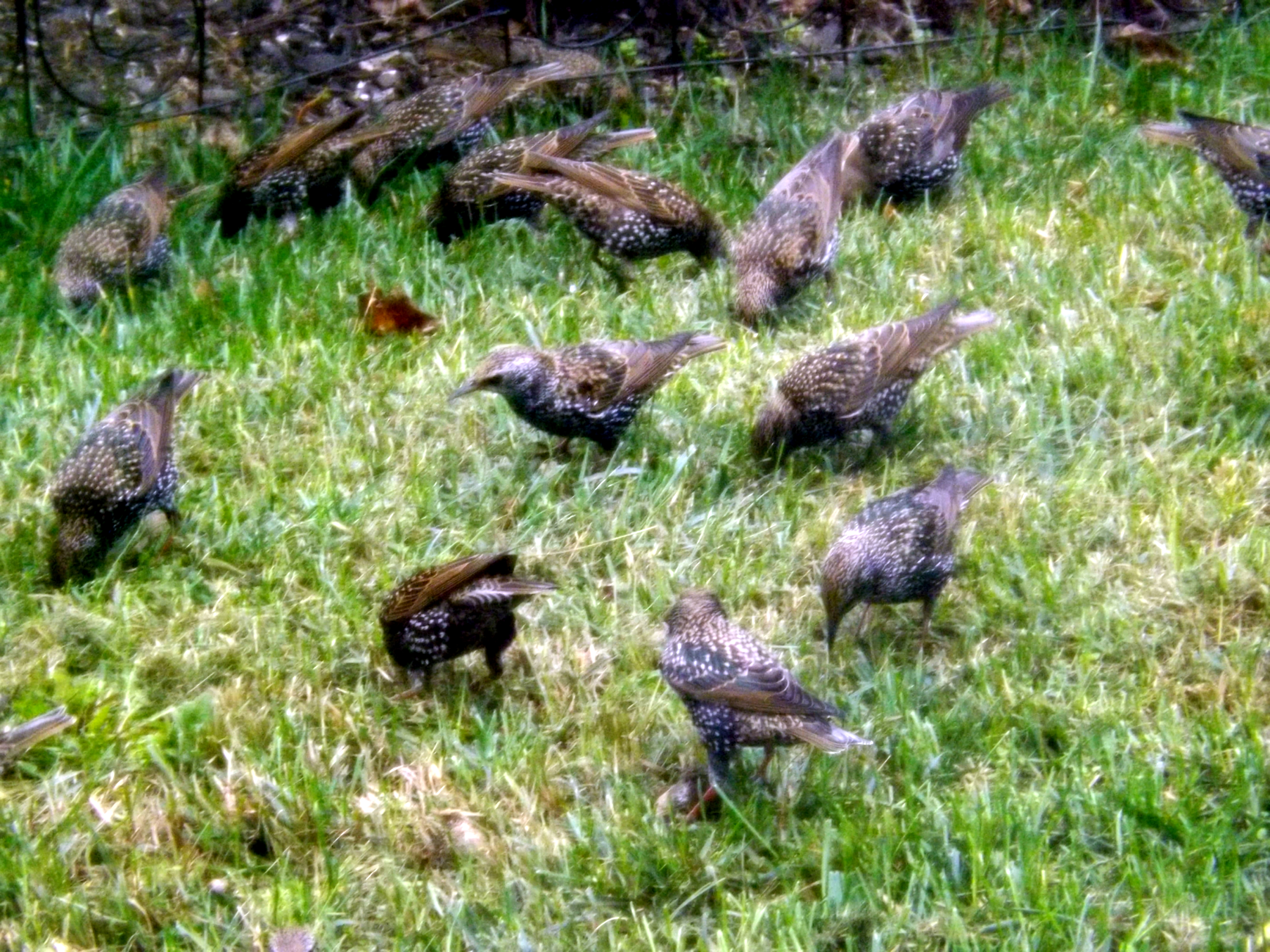
I was in the living room this afternoon when a spectacular dark wave passed by the window with a whooshing noise. I looked out and an enormous flock of birds was conducting an aerial ballet, swooping gracefully between our yard and our neighbors’, landing momentarily to search through the grass on each side for insects. They were a sight (and sound) to behold.

I grabbed my camera.  But I have a big problem when it comes to animal photography. Actually, I have two big problems: Schnauzer 1 and Schnauzer 2. As soon as they see me pick up the camera, they erupt in a cacophony of barking and make their way to the back door at full speed, sliding across the hardwood floors, scrambling frantically for purchase, and crashing into each other in a frenzy of anticipation. Why? Because somehow, they have come to associate the camera with good things to chase outside. I don’t know why–only a small fraction of the photos I take are of animals. But there you have it. All I have to do is pick up the camera, and the dogs will promptly bowl over anything in their wake–so desperate are they to go after my photographic prey.  This is a minor annoyance when I am planning to take a picture of salad indoors. When I actually do want to take a picture of animals outside, I have to resort to various levels of subterfuge.

But today, there was no time. I managed to get one not-so-great photo of the birds on our grass (through the window), but it fails to adequately capture the magnitude of the scene: the flock of black/brown birds completely covered our yard.

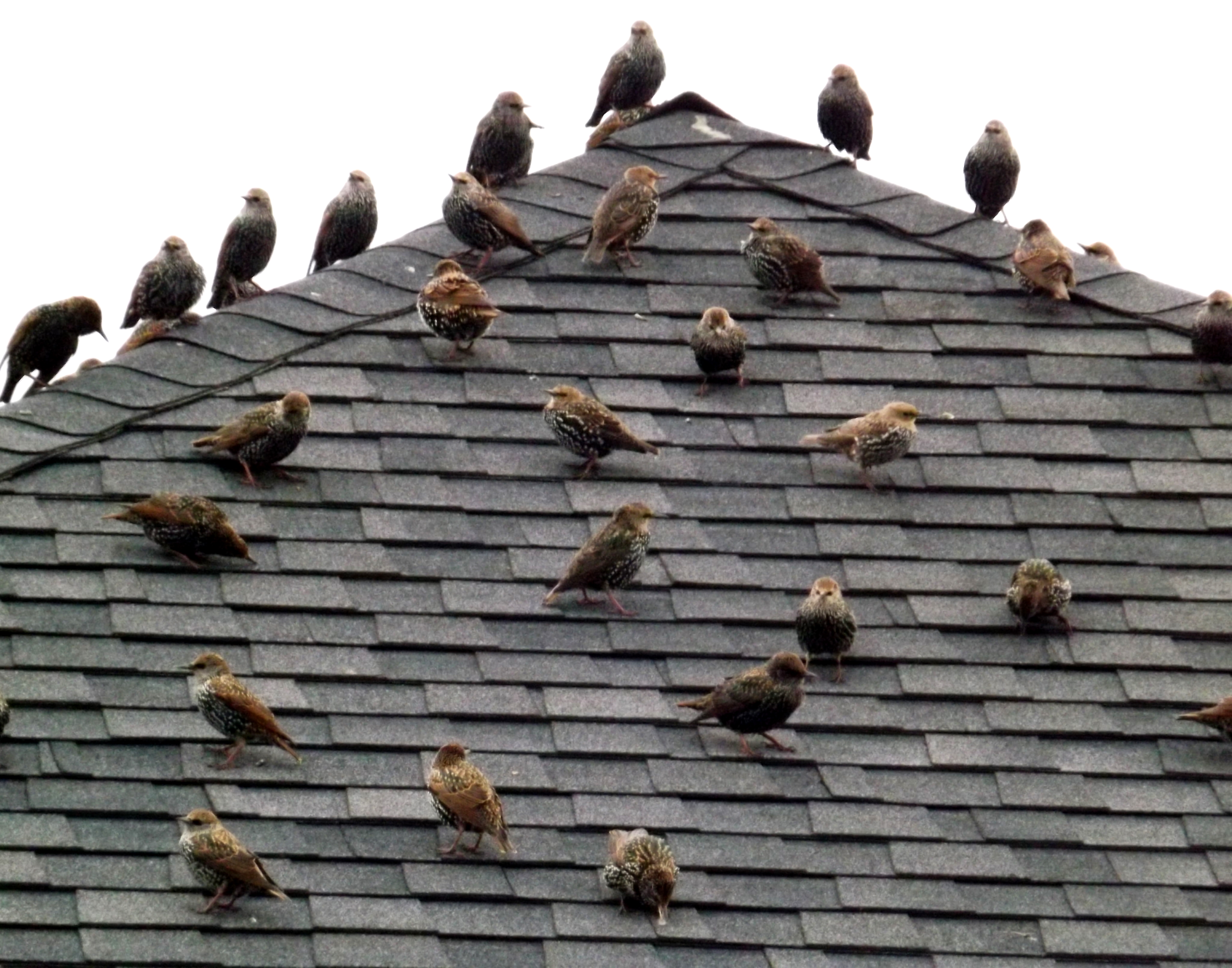
After a little investigating, I discovered the birds were Starlings, and they are beauty in motion. A Wired blog post, The Startling Science of a Starling Murmuration, features a must-see video and describes some of the physics behind the birds’ flight patterns.  I was watching the video when, lo and behold, the starlings returned, perching on my neighbors’ roof. This time, I stealthily snuck by the dogs and made it outside before their radars went off.  I managed to get a couple more photos of the birds before they again departed, leaving silence in their wake.

Recipe: Spaghetti Bolognaise

3 Oct

This is a recipe whose origins trace back to Bologna, in Northern Italy. But one of the reasons Italian food is is so beloved around the world is because it is so incredibly adaptable–and Spaghetti Bolognaise is a great example. You can add what you like, subtract what you don’t, and the result will be something you’ve made your own that still speaks the language of its birth.

This recipe is more of a guideline: I like to make this with ground turkey, but other ground meats (or none at all) would work well, too; in fact, this can easily be made into a vegetarian dish by substituting chopped mushrooms for the meat and adding zucchini or other veggies. Sometimes I discover I don’t have tomato sauce, so I add more tomato paste and wine. Occasionally, I run out of fresh garlic and resort to garlic powder. No matter how much I tweak this recipe, it always turns out well, and for that reason alone it is a true keeper. As a final note, you can easily double this recipe to feed a crowd or to freeze the extra so you can have some on hand for busy weeknight meals.

Spaghetti Bolognaise
Serves 6

1 pkg. ground turkey (1-1.25 lb.)
1 tbsp. extra-virgin olive oil
1 large onion, finely chopped
1 medium carrot, shredded
4 large cloves garlic, crushed
3 bay leaves
1/2-1 tsp. dried basil
1/2 c. red wine (I use Chianti if we have it; if not, I grab whatever is at hand)
1 (14.5-oz.) can petite diced tomatoes
1 (8-oz.) can tomato sauce
1/2 (6-oz.) can tomato paste
1 tsp. sugar (optional–I add it to heighten the flavor of the tomatoes)
salt and freshly ground pepper
1 lb. spaghetti
freshly grated Parmesan cheese (or my favorite, Pecorino Romano)

Preparation
1. Cook the turkey in a lightly oiled skillet until no longer pink. Remove from the skillet, drain, and set aside in a covered bowl.
2. In a large saucepan, cook the onion and carrots in olive oil over medium heat until onion is soft and beginning to brown at the edges. Add the garlic, bay leaves, and basil, and cook for a couple minutes more.
3. Add turkey to saucepan and stir in 1/4 c. wine. Cook until most of the wine has reduced. Stir in the diced tomatoes, tomato sauce, tomato paste, remaining 1/4 c. wine, and sugar (if using). Season with salt and pepper.
4. Reduce heat and let sauce simmer uncovered for about half an hour, stirring periodically. Check seasonings and add more salt, pepper, sugar, or basil as needed. If sauce is too thin, stir in more tomato paste. If sauce is too thick, splash in a bit more wine.
5. Cook spaghetti in a large pot with plenty of lightly salted, boiling water until al dente. Drain, and toss with a small amount of olive oil to keep from sticking.
6. Serve the spaghetti with the Bolognaise sauce and with grated cheese.

Birth of a Montauk Daisy

26 Sep

Montauk Daisies are cheery flowers to behold, even they are sure signs the season is nearing an end.  Cheery they may be, but shy and reserved they are not. When I first planted my two Montauk daisies, they were small little things, but they soon expanded exponentially, smothering a few other flowers in the process. The relatively fragile lilies in their path were no match for the bush-like Montauks. The ease with which the daisies established their dominance reminded me yet again of the importance of checking a plant’s spread. I kept looking at them as they grew, and grew, and grew, asking myself how this came to pass, since they were so little when I first planted them. In this respect, they remind me of my children.

For the past month, I have been waiting very patiently for them to bloom (the daisies, that is). They take their time; the first buds appeared in the center of the lovely dark-green foliage on September 1, but the first flower did not bloom until today. However, it was worth the wait. Here is the birth of a Montauk Daisy:


A Forgotten Flower

15 Sep

Some flowers have appeared in my garden unbeknownst to me. But there are other flowers that I did plant, and then forgot about. These have usually been late-season additions to the garden–discounted specimens that caught my eye when I was at the nursery in the autumn looking for mulch, for example, or a spade, but not flowers. I would tuck these spur-of-the moment purchases somewhere in the garden, with a vow to keep track of  them more properly later. Inevitably,  I forgot even to note their names.

There is currently a plant in bloom in the garden that I have absolutely no record of, though I vaguely remember sticking it in its current, horrible spot by the hammock–an afterthought really, since I thought I would find a better place for it this year. Which I would have done had I developed a plan for it, which I didn’t since I forgot I had even planted it.

It is an aster. Well, technically it isn’t. If you thought DNA testing was only for crime scenes, think again. It also helps with the (re)classification of plants. Genetic testing of asters in the 1990s revealed that all asters are not, in fact, asters. All the North American varieties were reclassified as Symphyotrichum. Not surprisingly, everyone still calls them asters. To further confuse matters, asters are also known as Michaelmas Daisies. Michaelmas is the celebration of the Feast of Saint Michael the Archangel, which is on September 29. Michaelmas was also traditionally the end of the harvest season in the Northern Hemisphere, a time when asters are in bloom. Hence, the nickname.

The forgotten aster (sorry, symphyotrichum) in my garden is a Winston Churchill. It is a novi-belgii– a New York Aster. Not knowing the history behind the naming of this flower, it is nonetheless fascinating to speculate about the possibilities. Winston’s mother, Jennie, was from New York.  So, a nice tribute to his mother. But then, the verbal sparring between Winston Churchill and Lady Nancy Astor, an American-born member of Parliament, was legendary– so perhaps the person who originally named this cultivar had a sense of humor…. Either way, it is a flower that deserves to be unforgettable.