Tag Archives: reproduction

Tassels and Silks: The Beautiful Anatomy of a Corn Plant

7 Jul
Corn tassel consisting of individual spikelets, with anthers hanging from filaments

Last year, I carved out a patch in the vegetable garden, planted some corn kernels, and was very excited when the sprouts emerged. But a few days later, all the sprouts were severed, laying forlornly on their sides where they had fallen. Upon closer inspection, the sprouts had been pulled up and the corn kernels had been chomped off at the base — clearly the work of chipmunk commandos who had infiltrated the garden at the crack of dawn. Chipmunks 1, me 0.

This year, I planted seedlings instead of kernels, crossed my fingers, and hoped for the best. As of yet, there haven’t been any corn massacres, so I’ve been able to watch corn plants grow for the first time — and admire their constituent parts. There is a lot to notice, from the stripy leaves…

Macro view of corn leaf

… to the beguilingly named tassels and silks. The highly recognizable tassel at the top of every corn plant is the male part of the plant, and consists of about 1,000 spikelets, each containing 3 pollen-producing anthers and their filaments (collectively, the stamens). With 6,000 pollen-producing units on each corn plant, that’s a lot of pollen to be wind dispersed (read more about pollen shed in this great article on “sex in the corn field“).

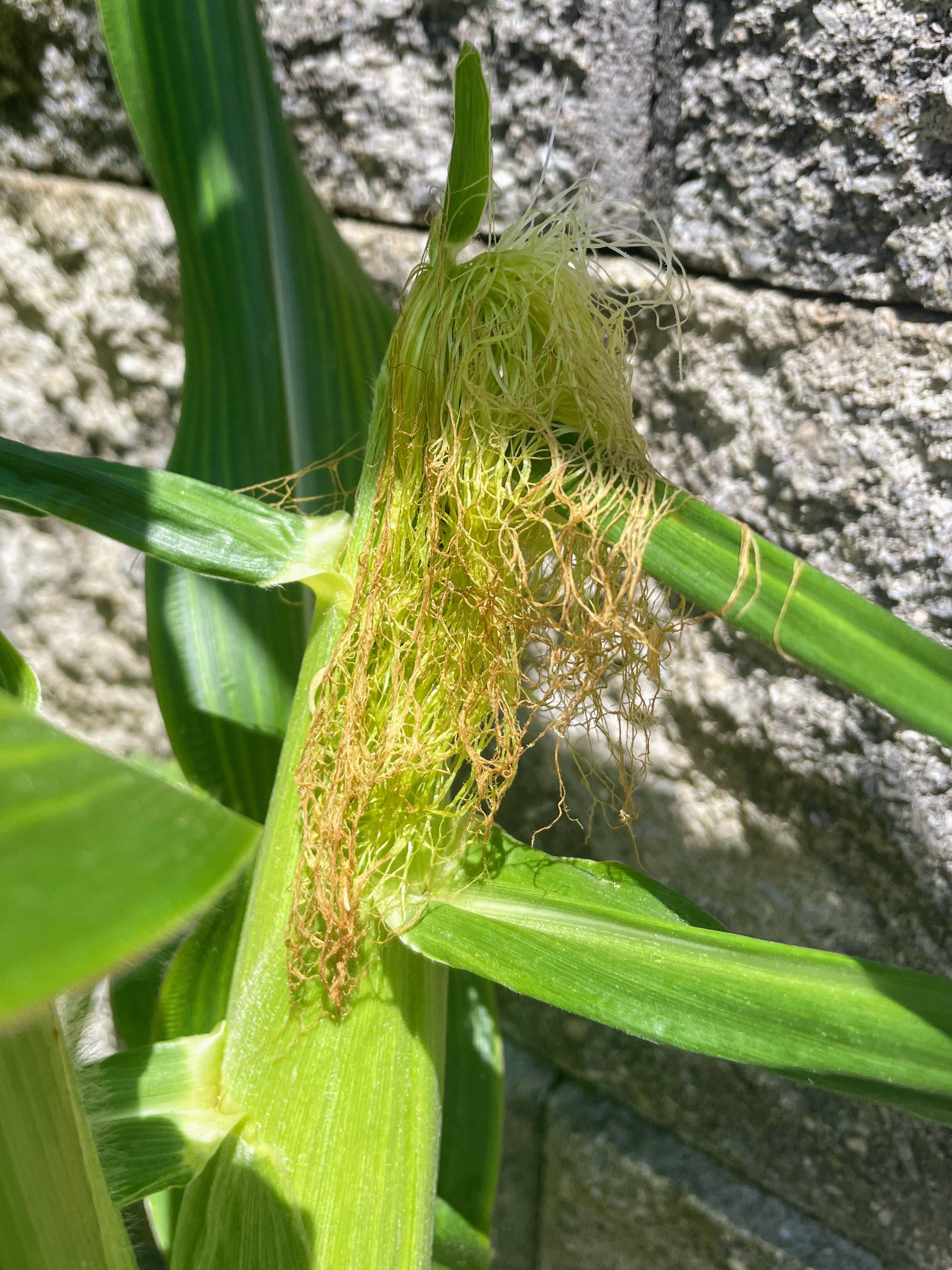
The silks are the female part of the corn plant. They form at the base of the ear but are most visible at the tip, emerging from the husk. Their job is to catch the pollen and guide it down to the unfertilized corn kernels (ovules) on the ear. Here’s the fascinating part: Each silk is connected to a kernel (or what would be a kernel if successfully pollinated). As not every ovule gets pollinated, most ears produce about 400 to 600 kernels.

You can tell when pollination has occurred because the silks dry up, turn brown, and often fall off. You can also tell when pollination hasn’t been very successful if your ear of corn has missing or misshapen kernels. That’s why it’s important for home gardeners to plant corn in a block rather than a single row, so the pollen has more chance of falling on nearby silks rather than being completely blown away from the row.

I don’t have any photos of pollen on the silks, but this is what the tiny yellow pollen grains look like on a corn leaf, along with some spent anthers (they drop off the tassel after the pollen is shed).
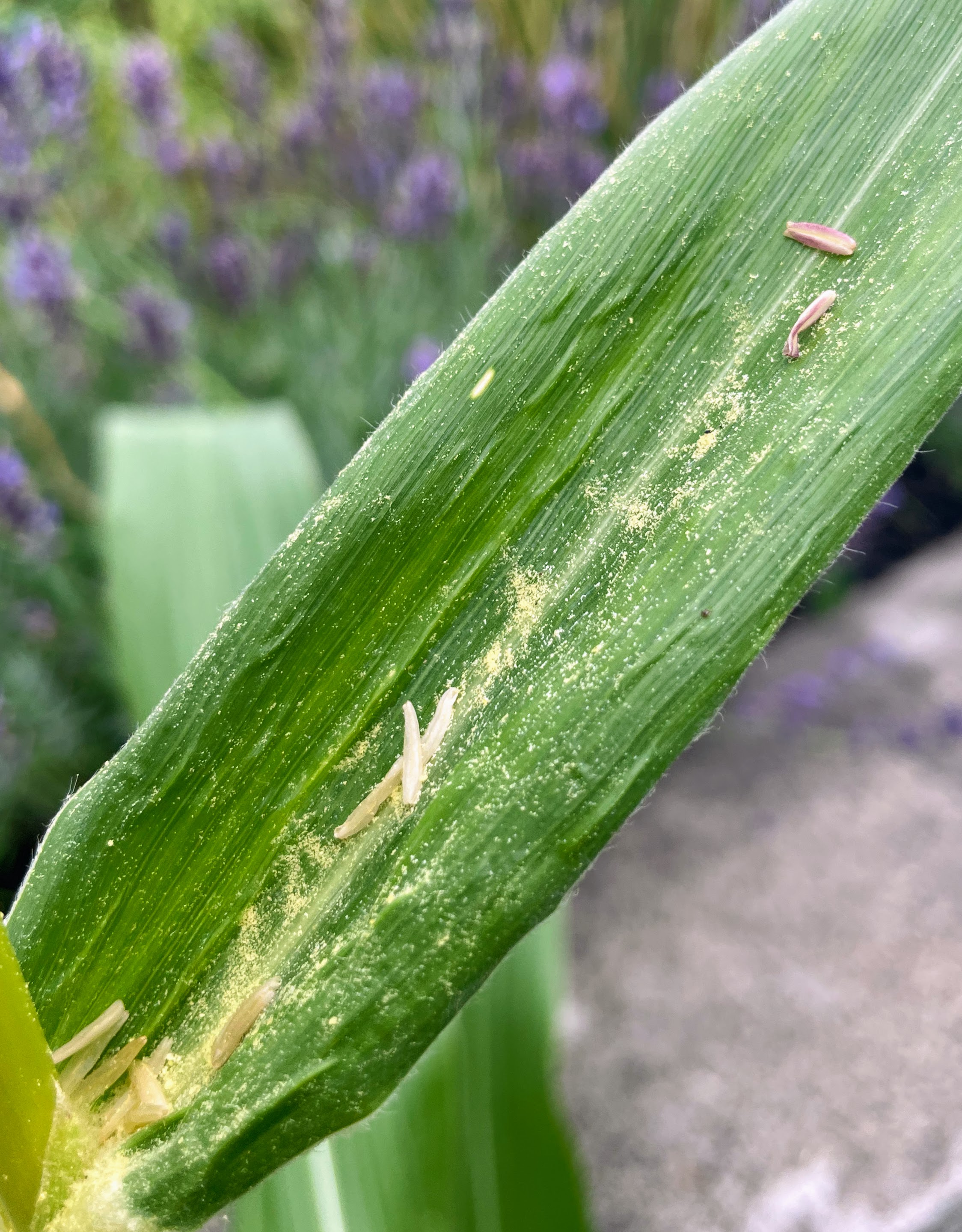
Some of the 2-5 million pollen grains produced by each corn tassel (and some anthers)

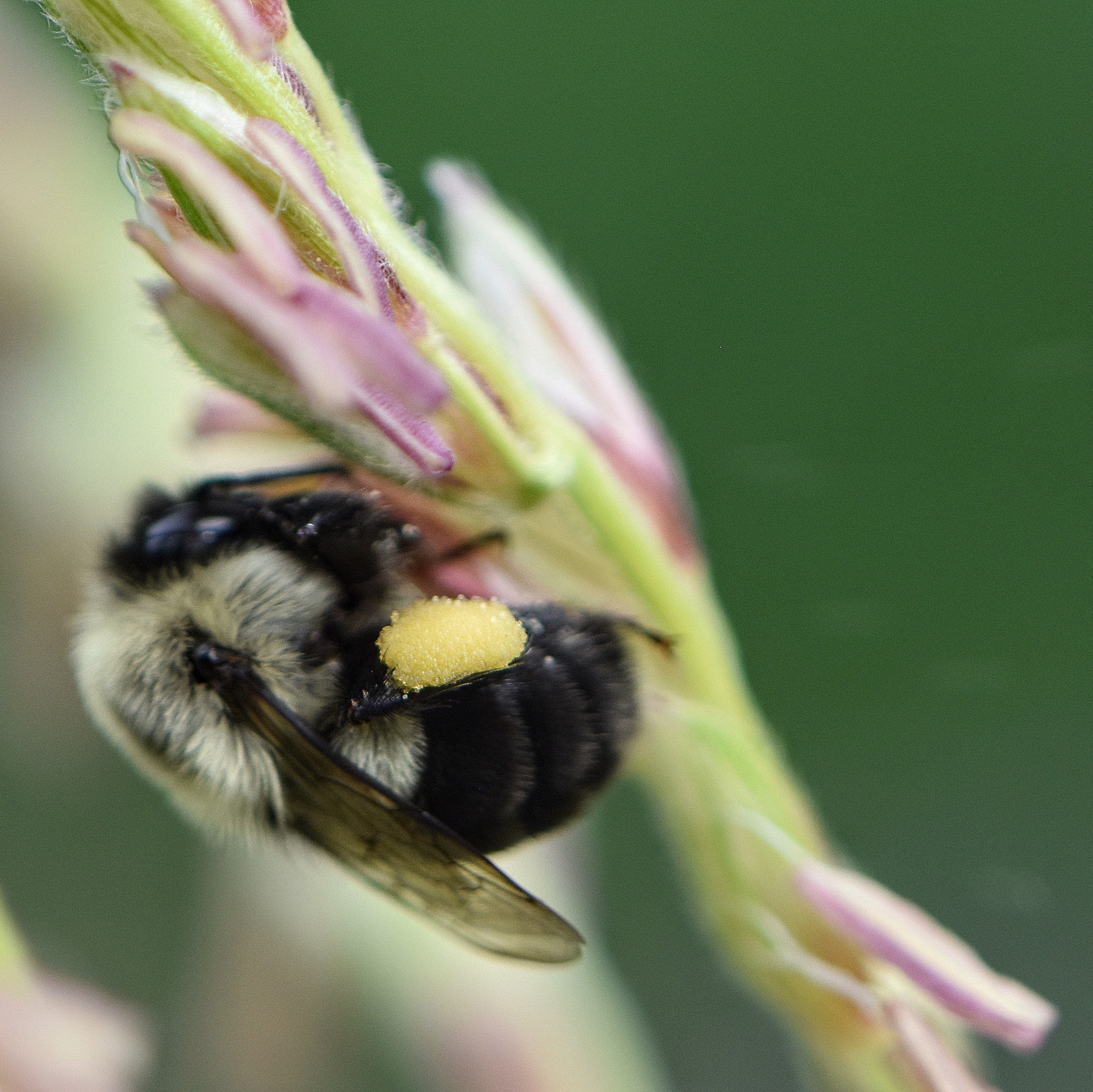
Though corn is pollinated by the wind (anemophily), pollination can also occur with the help of insects (entomophily). Luckily for me, as I was taking photos of the tassels, a bumble bee appeared. Or, more specifically, a female bumble bee appeared–as the females are the only ones to have pollen baskets (corbiculae) on their hind legs.
The Hidden Parts of Lupines

26 May

I had bad luck growing lupines from seed last year; the resulting plants started out well but didn’t make it past spring. I’d like to blame the local rabbits, except for the fact that lupines are poisonous, so maybe a very brave rabbit could have eaten one of my small lupines, but certainly not all of them. So it was probably the fault of a human who shall not be named, not a leporid.

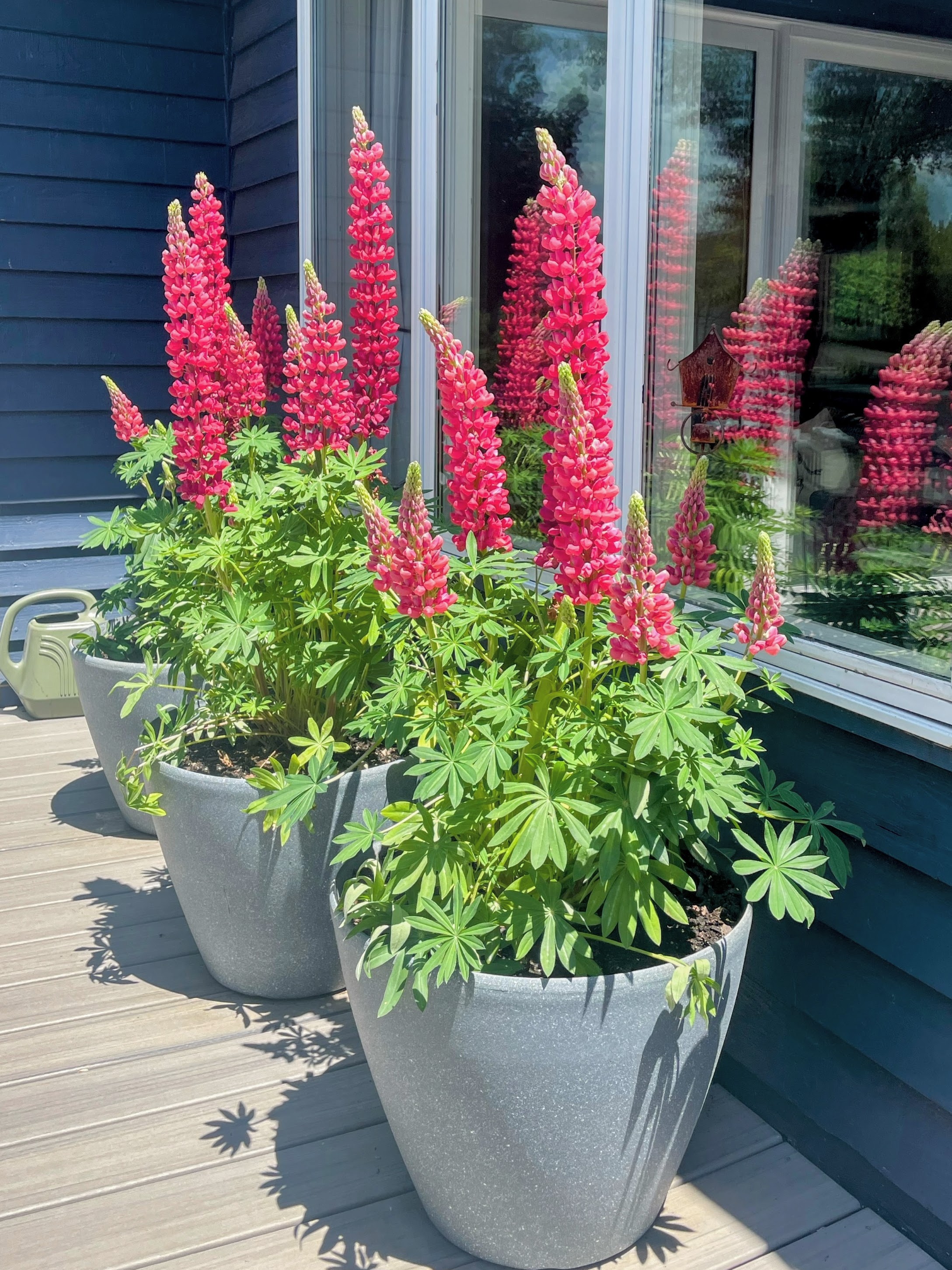
Still traumatized from last year’s lackluster lupine experience, I decided I would not start any from seed this year. In fact, I would not have any lupines at all. But then, while at a garden center for something else entirely, I walked past three magnificent specimens in full bloom (with many more blooms to come) and couldn’t resist. They were far more spectacular than my seed-started lupines had ever been, and I had three large, empty deck pots back home. So I decided to try them as container plants. If that doesn’t work, I’ll need a Plan C.

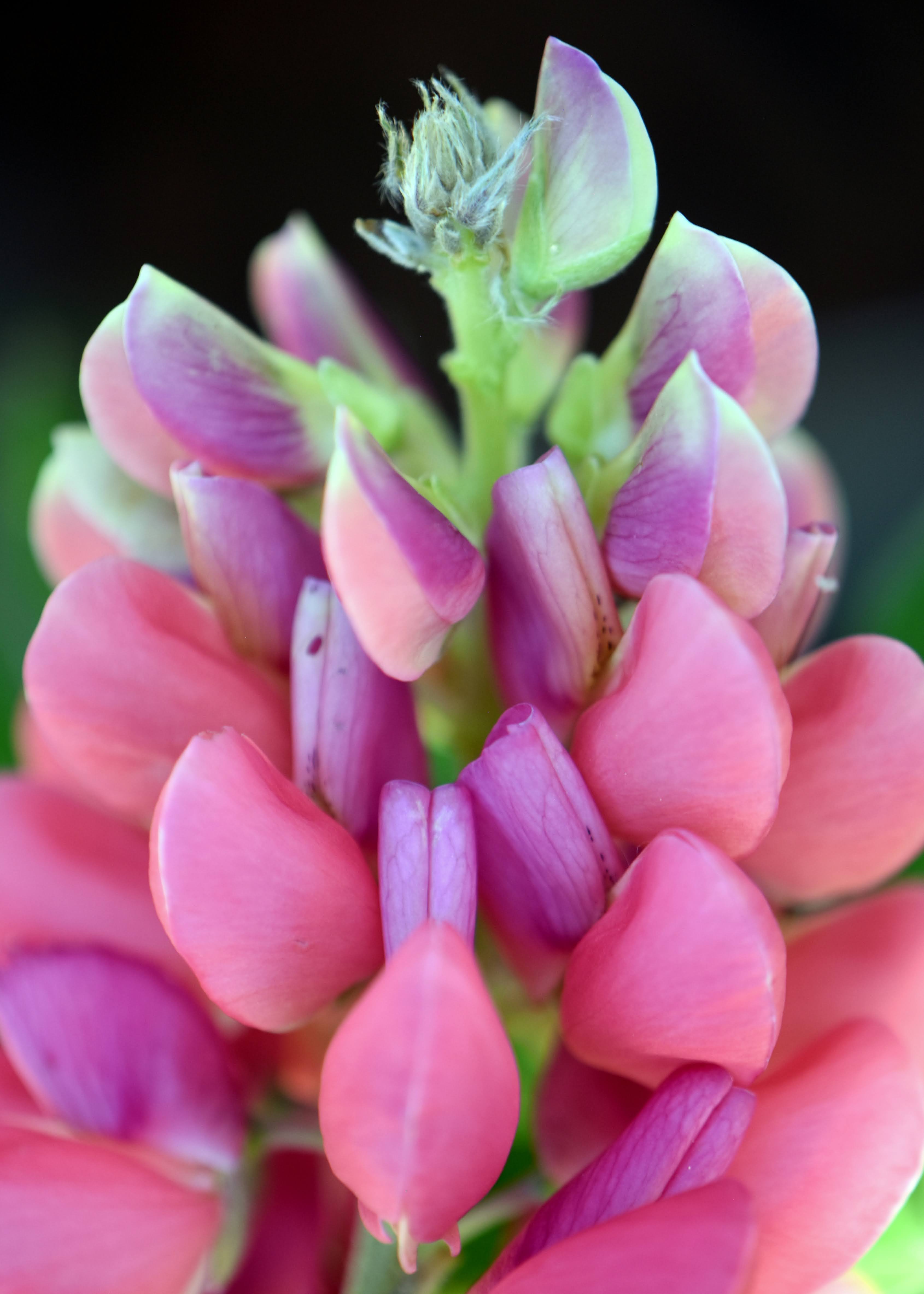
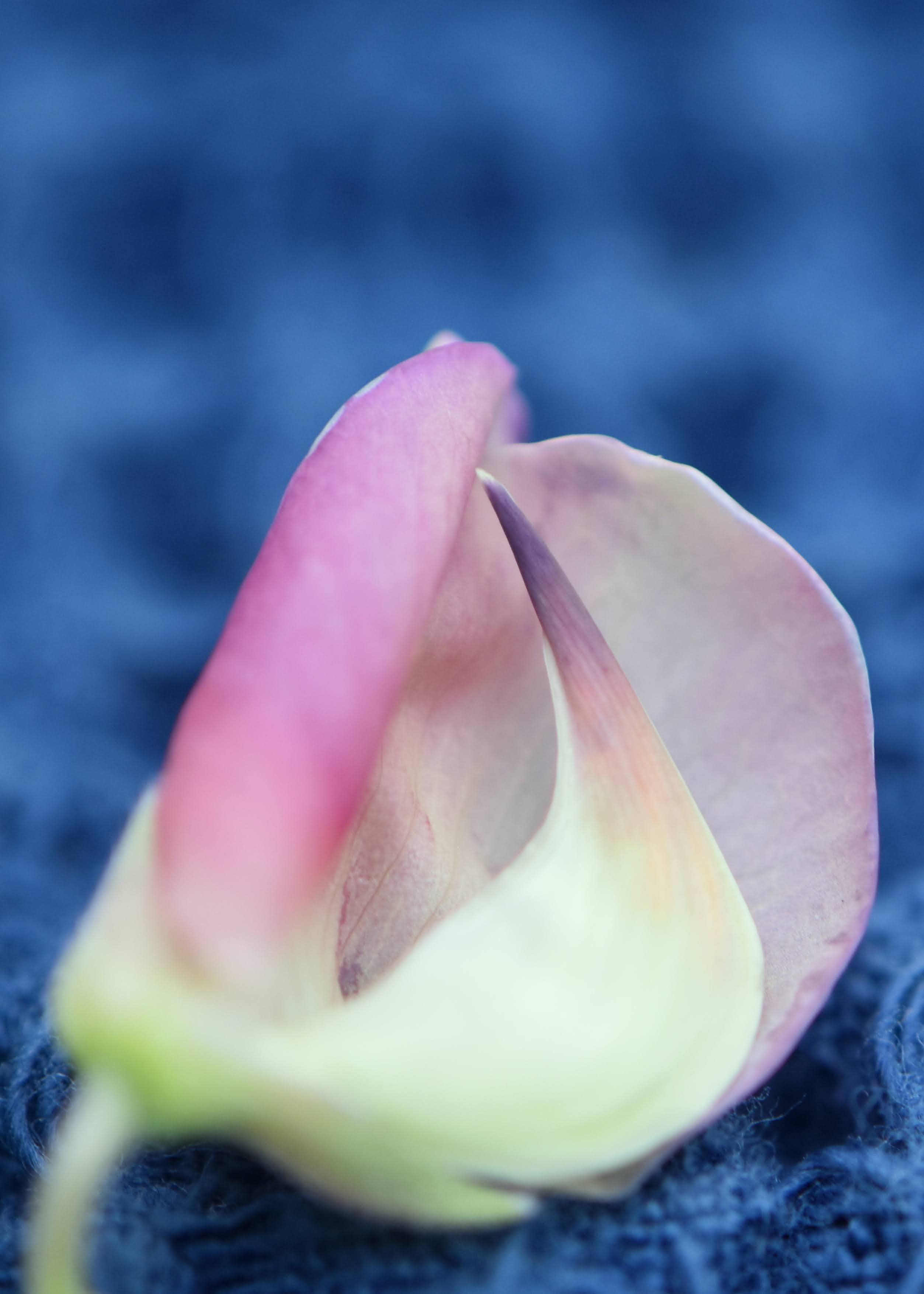
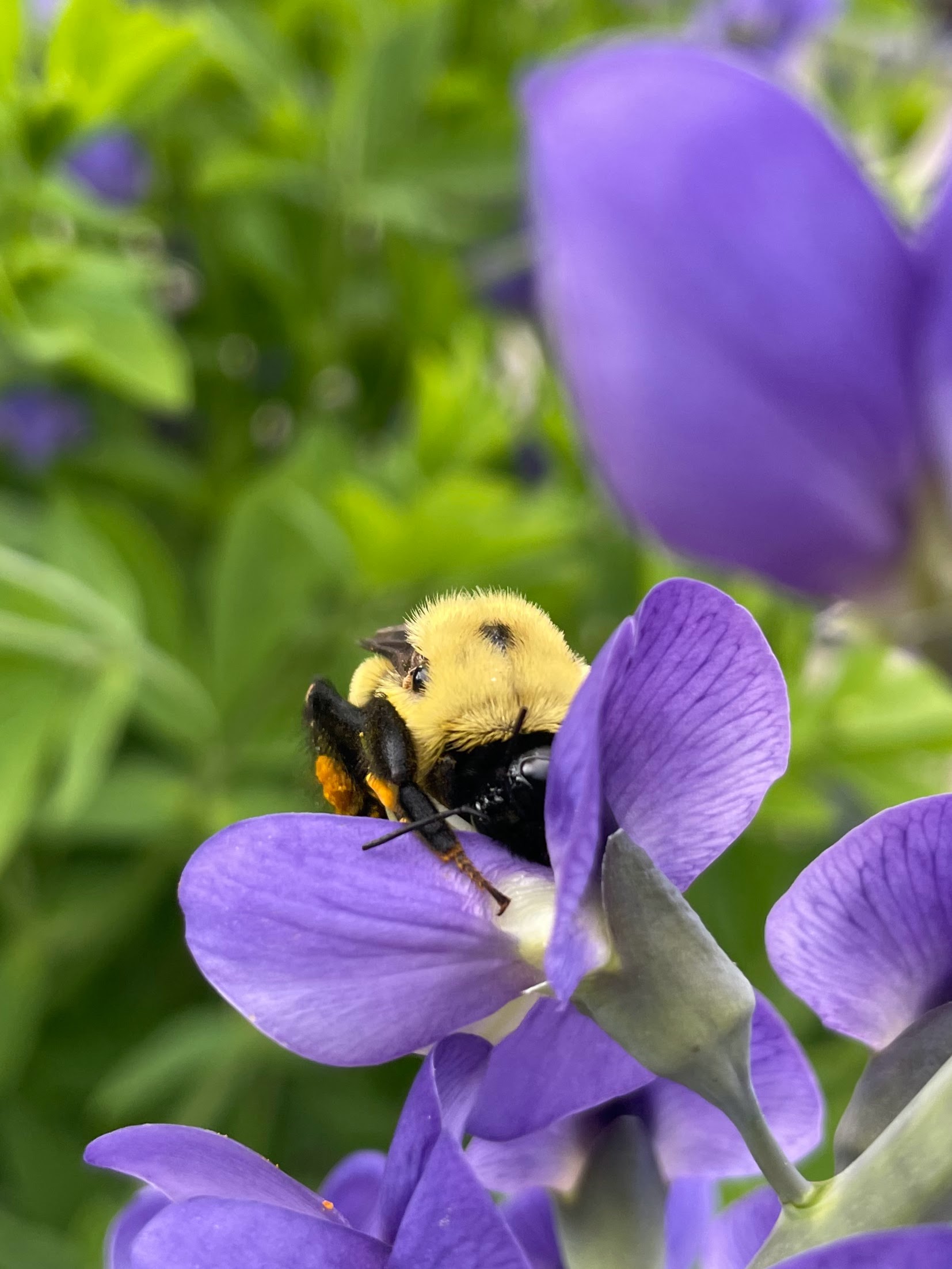
Lupines are part of the Pea family (Fabaceae) along with baptisia,* broom, clover, milkvetch, trefoil, and others. The flowers grow on long spikes called racemes, with the flowers blooming from the bottom of the spike on up. The flowers themselves are distinctive, consisting of five petals. One forms an upright banner, two are lateral wings, and two are fused together to form a curved keel (so called because it resembles a boat’s keel).

With their lighter-colored center markings, the banners act as sign posts to attract pollinators, ie, bees. (Though most lupines can self pollinate, bees can also help). The two wings form the distinct pea-flower shape and surround the keel, making it hard to see; in the middle photo above, I peeled away one of the wings. The keel protects the flower’s reproductive parts, which are tucked inside it. When a bee lands on the wings, they open up like a clam and expose the keel, which also opens slightly. The bee pollinates the flower by knocking the stigma and anthers together, and in the process collects pollen to feed to its young. The banner then does a really cool thing: it changes color after pollination, to let the bees know there is no more pollen to be had at that particular flower.

So, while the beautiful exteriors of these flowers deserve all the admiration they receive, what they have going on within is pretty fascinating, too!

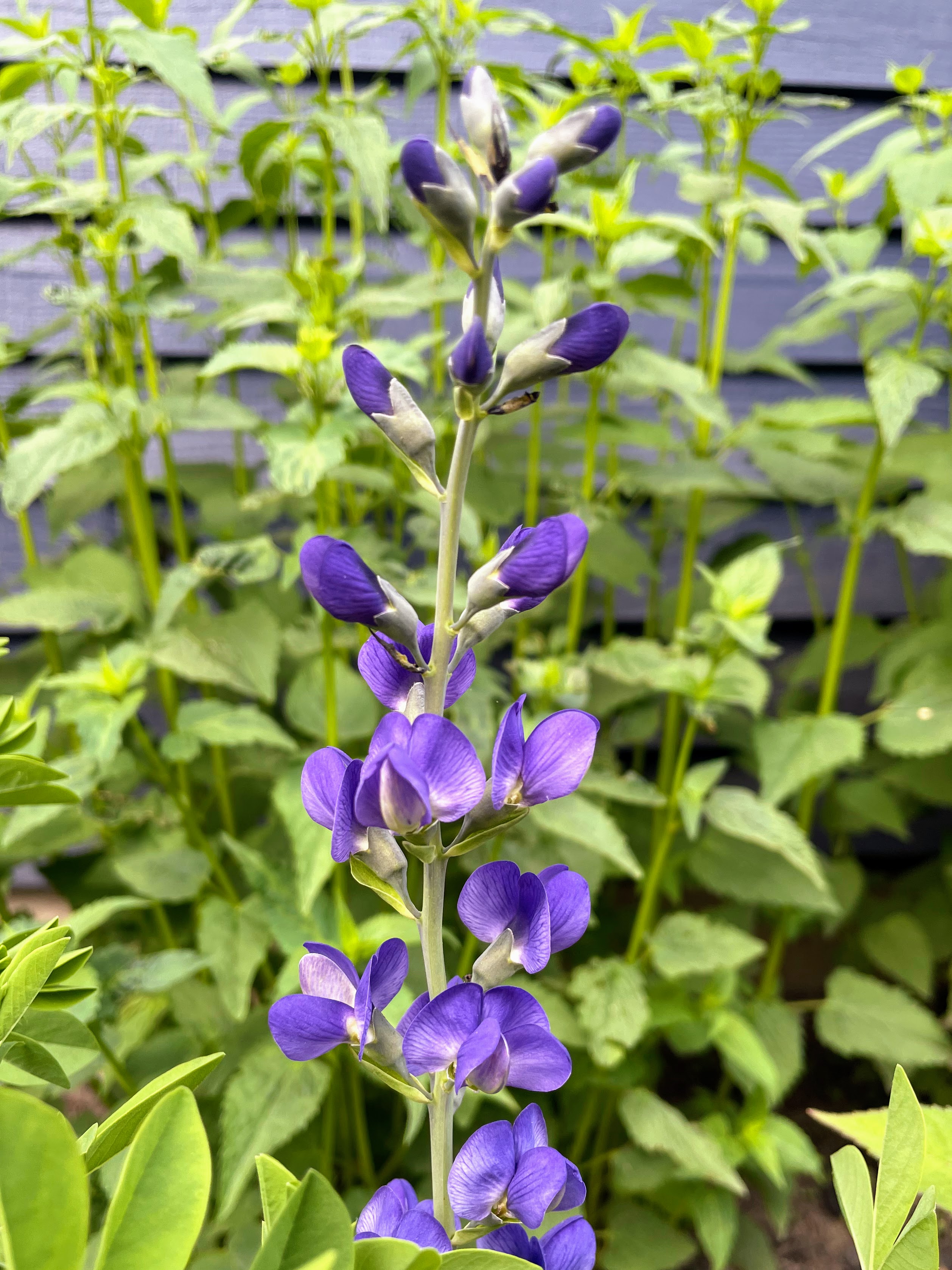
*For flower-comparison sake, here are two photos of Baptisia australis, which also belongs to the Pea family and has banners, wings, and keels. In the last photo, a bee has found its way to the pollen thanks to the banner markings.

An Unexpected and (Re)Productive Study of the California Poppy

21 Mar

Sometimes, blown car tires lead to unexpected opportunities. While in California on our way to Monterey, our tire blew out on the freeway and very spectacularly separated itself from the rim. Our oldest son was driving and successfully steered the car to the side of the road, with the help of a kind truck driver, who stopped traffic in the right lane to let us over. While the spare tire was being put on, I noticed a cheery patch of poppies down a small hill, and headed there with my camera, whereupon I had an impromptu lesson in reproduction–of the floral kind.

The Golden State loves golden symbols, so it’s no surprise the California Poppy is the state flower. It’s a favorite of many gardeners, but also grows wild across California and elsewhere; masses of poppies make some Western mountains look as if they have been dusted with orange-yellow confetti. They also grow by the roadside, where I was lucky enough to get to study them for a little while. In that scraggly patch, there were poppies at all stages of development, from buds to full flowers, to seed pods.


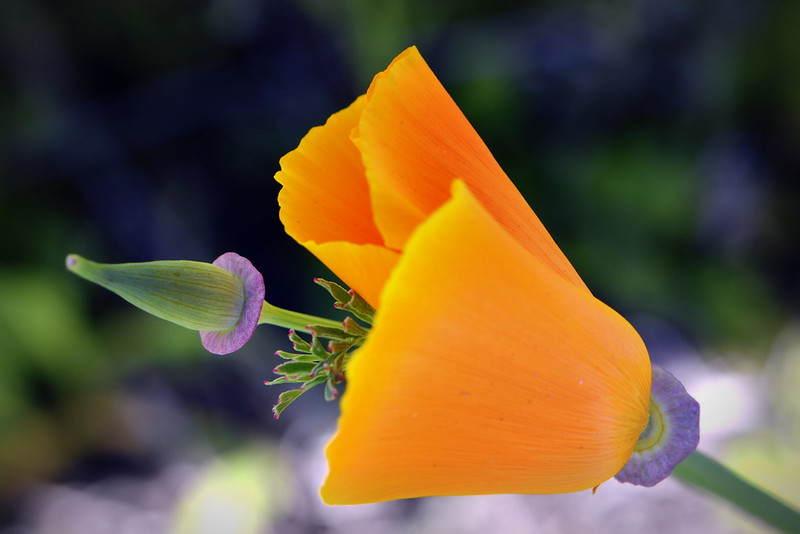
The flower buds are encased in a calyx made up of two fused sepals; the papery cap slowly gets pushed off as the four overlapping poppy petals begin to unfurl.

  
Inside the cup-shaped flower itself are the stamens (pollen-tipped male reproductive organs) and the pistil (female organ), waiting for pollinators–usually bees, but also beetles and flies–to help ensure a new generation of Eschscholzia californica. This is the plant’s  very civilized (and somewhat passive) Plan A in terms of reproduction.


But, there’s a Plan B, too–and it’s a bit more lively. Once the poppy’s main flowering cycle comes to an end, the petals start dropping off, revealing an elongated seed pod (fruit) sitting on the disk-like torus. The pod gets longer and bigger, starts drying up in the sun, and finally bursts open, ejecting seeds as far as 6 feet away. This type of seed dispersal has a great name: explosive dehiscence.  Oh, how I wish I could have seen it in action.

  
So, what pollinators cannot achieve, the plant takes care of on its own, spreading its wealth just a bit further one seed pod at a time. Something to admire this April 6, which is California Poppy day.


Sweetness or Deceit? Attracting Pollinators

28 Sep

Plants are wily, in their own ways. Some beguile with sweetness, others lure with deceit. This weekend at the United States Botanic Garden, I saw examples of both.

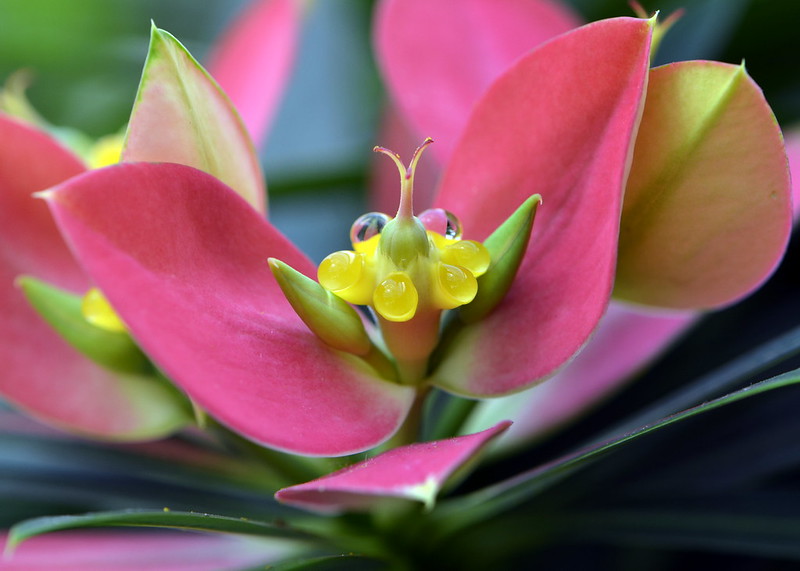
The Jamaican Poinsettia (Euphorbia punicea) takes the nicer approach. Below, you can see the brightly colored bracts, which are modified leaves, and a yellow, cup-like flower cluster called a cyathium. Insects are attracted to the clusters by the reddish-pink bracts and are then rewarded with the sugary nectar; in the photo, the glistening drops are almost overflowing from the cups. Arising from the center of the cluster is the pistil (the female reproductive organ), with three curved stigmas at the top, waiting to receive a dusting of pollen from the visiting pollinator.


Successful pollination leads to the development of a seed-bearing fruit. But if the plant has not been successfully pollinated, the fruit may wilt and never produce seeds.

Other plants, such as the Carrion Flower (Stapelia gigantea), attract pollinators by pretending to be (and smell like) something they are not: rotting flesh. You might think that if someone knows a flower smells like a decomposing mammal, s/he would avoid taking a sniff. But no. I partook of the putrid odor more than once, and can confirm that the flower does indeed smell vile. I pointed this out to other passersby, who also conducted repeated olfactory experiments of their own with identical results…. But back to the plant. In addition to its odor, this wrinkly and hairy flower is also meant to look like a decaying, oozing, leathery, peeling dead animal.


And boy, do some insects love that. Perfect spot to lay eggs, with plenty of food for the larvae, or so they think. They are mistaken; their reproductive efforts are futile. But they will have served their purpose: to help ensure the reproduction of the plant by taking and depositing pollen as they go about their business. A devious deception indeed. Here is a close up of the inside of the flower, complete with a green bottle fly circling around, and a pile of ill-fated eggs below.


Weekly Photo Challenge: Spring

3 May

When I think of Spring, I think of flowers and new life.  This Tulipa “Ballerina” is one the the earliest and cheeriest flowers in my garden, and a look inside the tulip reveals some essentials about plant reproduction.


This close-up focuses on the three-lobed stigma (the top-most section of the tulip’s female reproductive parts, known collectively as the pistil), which catches pollen via its sticky and fuzzy surface. The pollen then travels down the tube-like style to the ovary where  fertilization takes place (if the pollen came from a tulip plant), ultimately leading to the production of seeds. The six pollen-covered anthers (the top-most parts of the male reproductive organs, known collectively as the stamens) are blurred in the background; the stamens emanate from the base of the pistil.

Tulips are considered “perfect” flowers because they contain both male and female reproductive organs. They can self pollinate, but can also cross pollinate in the wild with the help of bees and other pollinators. Alas, most commercial tulips, including this one, are sterile hybrids. But the good thing is that tulips also reproduce via their bulbs, which allows gardeners to enjoy them anew each spring.