Tag Archives: petals

The Hidden Parts of Lupines

26 May

I had bad luck growing lupines from seed last year; the resulting plants started out well but didn’t make it past spring. I’d like to blame the local rabbits, except for the fact that lupines are poisonous, so maybe a very brave rabbit could have eaten one of my small lupines, but certainly not all of them. So it was probably the fault of a human who shall not be named, not a leporid.

Still traumatized from last year’s lackluster lupine experience, I decided I would not start any from seed this year. In fact, I would not have any lupines at all. But then, while at a garden center for something else entirely, I walked past three magnificent specimens in full bloom (with many more blooms to come) and couldn’t resist. They were far more spectacular than my seed-started lupines had ever been, and I had three large, empty deck pots back home. So I decided to try them as container plants. If that doesn’t work, I’ll need a Plan C.
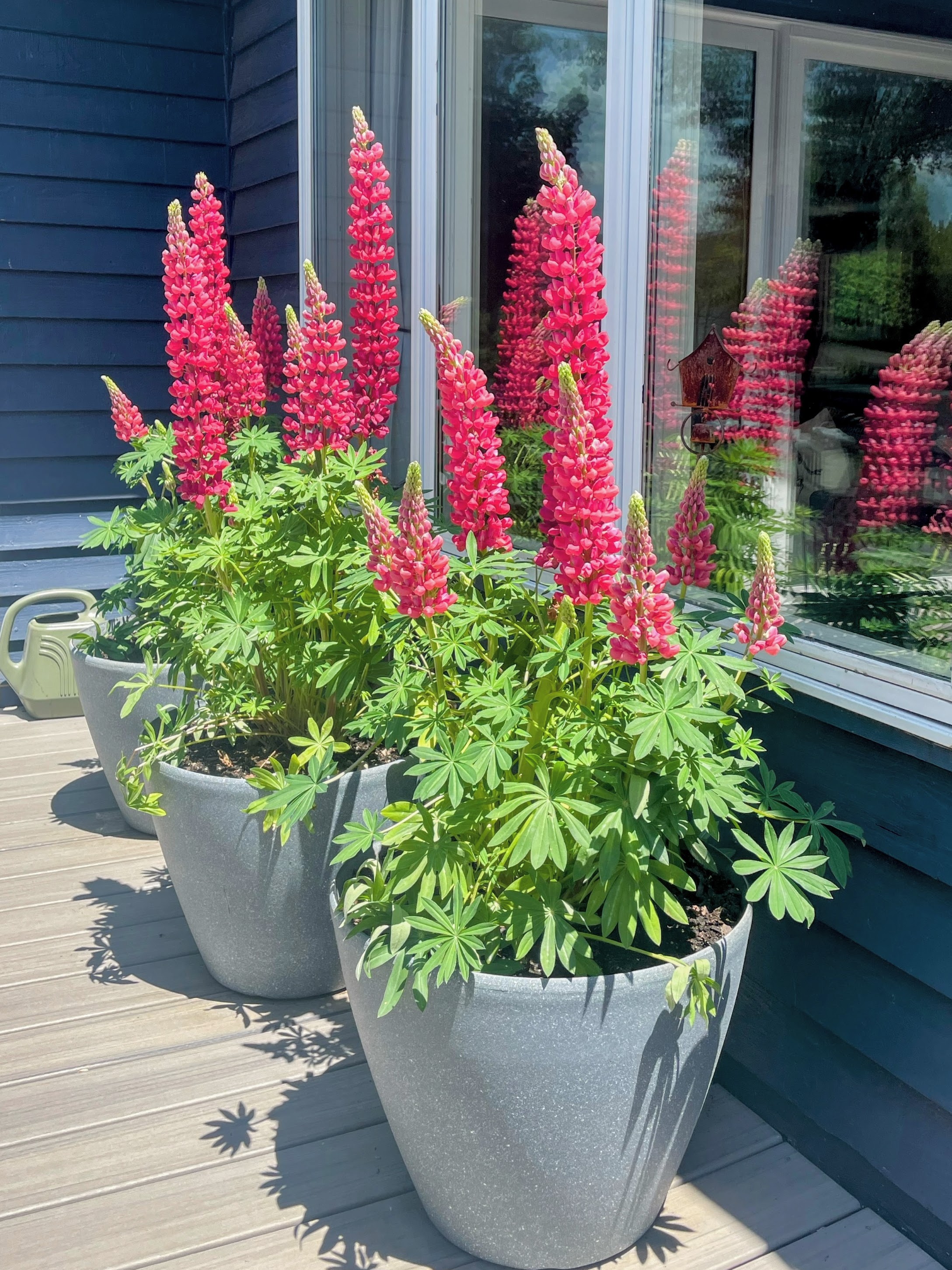
Lupines are part of the Pea family (Fabaceae) along with baptisia,* broom, clover, milkvetch, trefoil, and others. The flowers grow on long spikes called racemes, with the flowers blooming from the bottom of the spike on up. The flowers themselves are distinctive, consisting of five petals. One forms an upright banner, two are lateral wings, and two are fused together to form a curved keel (so called because it resembles a boat’s keel).
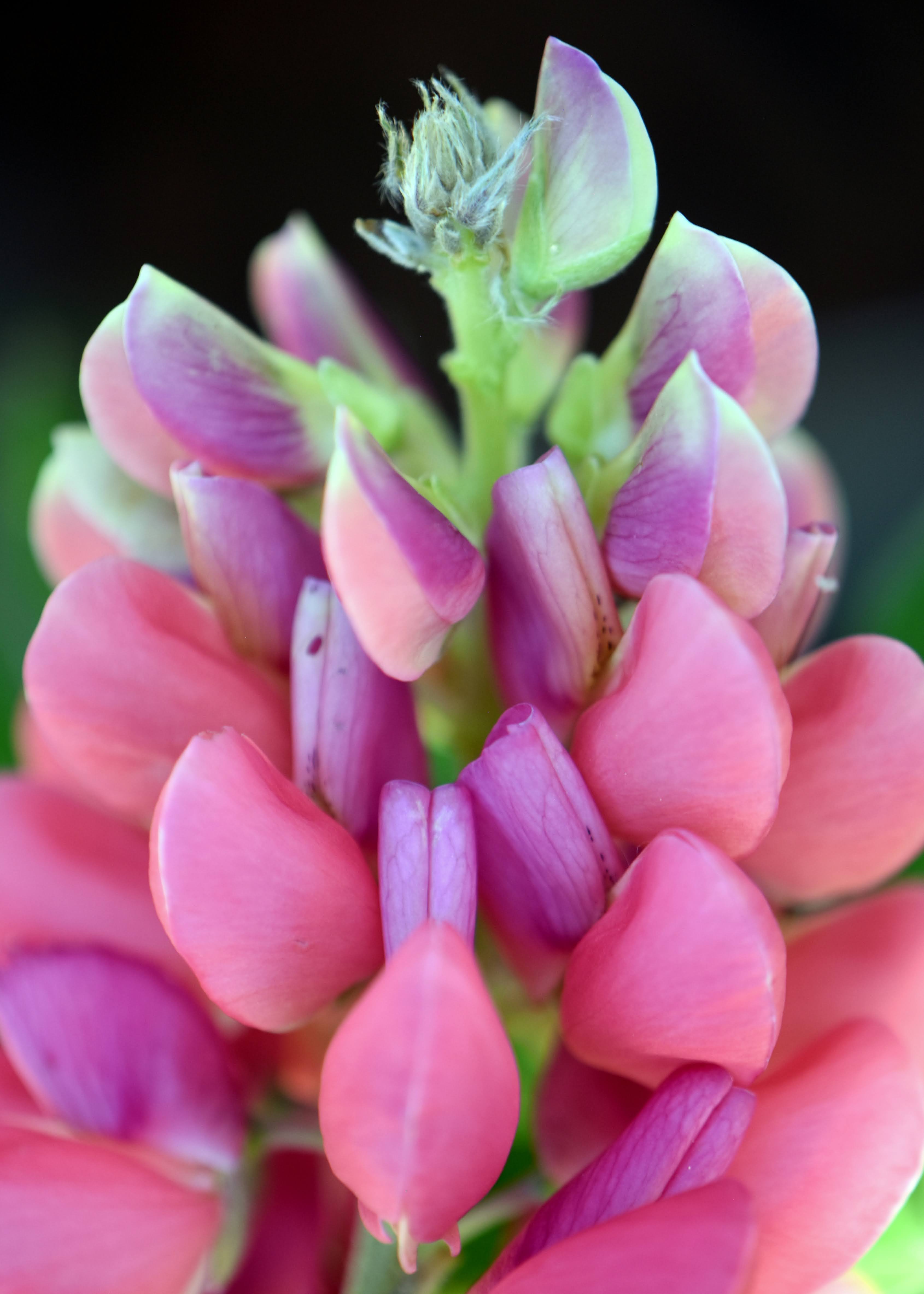
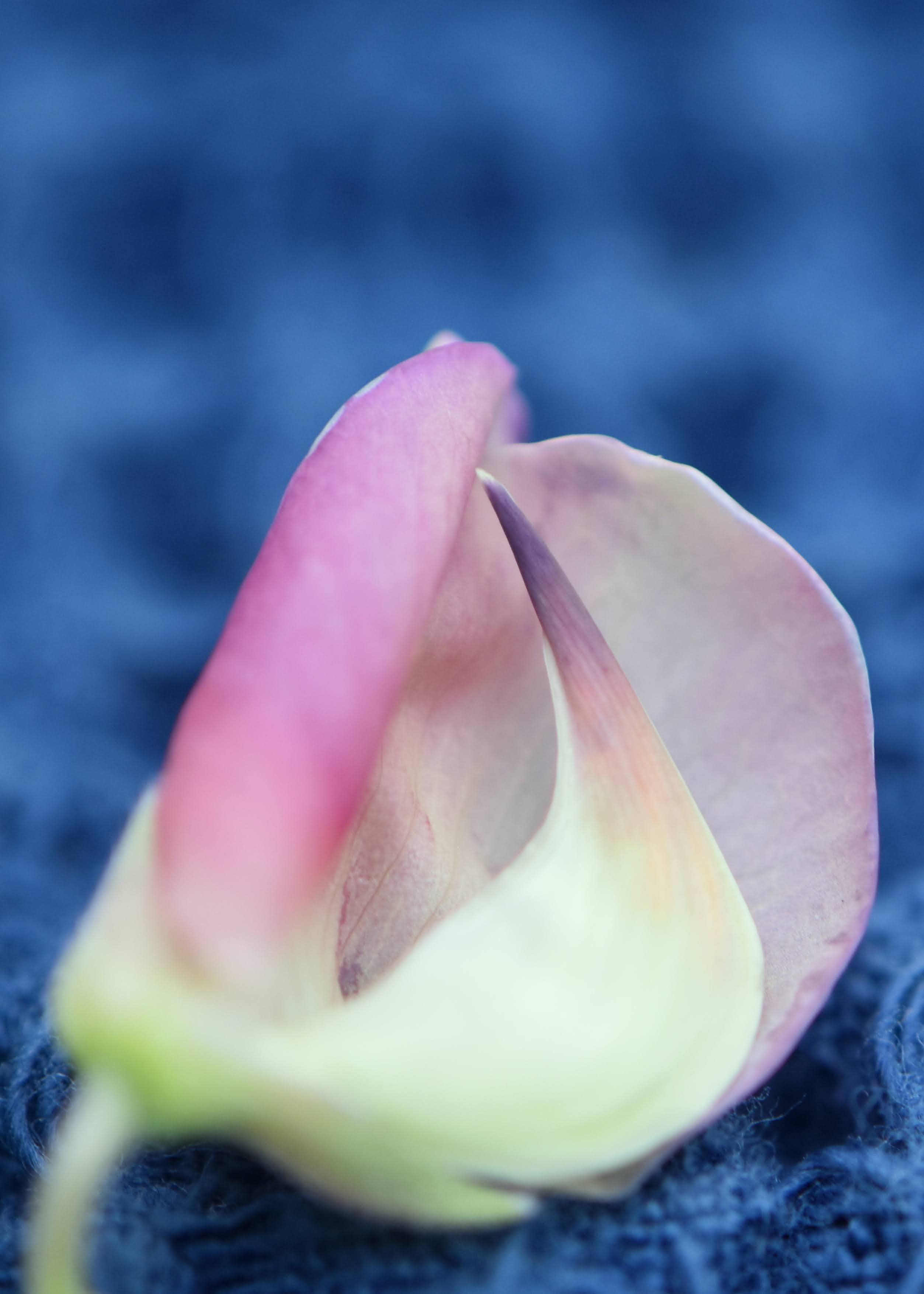
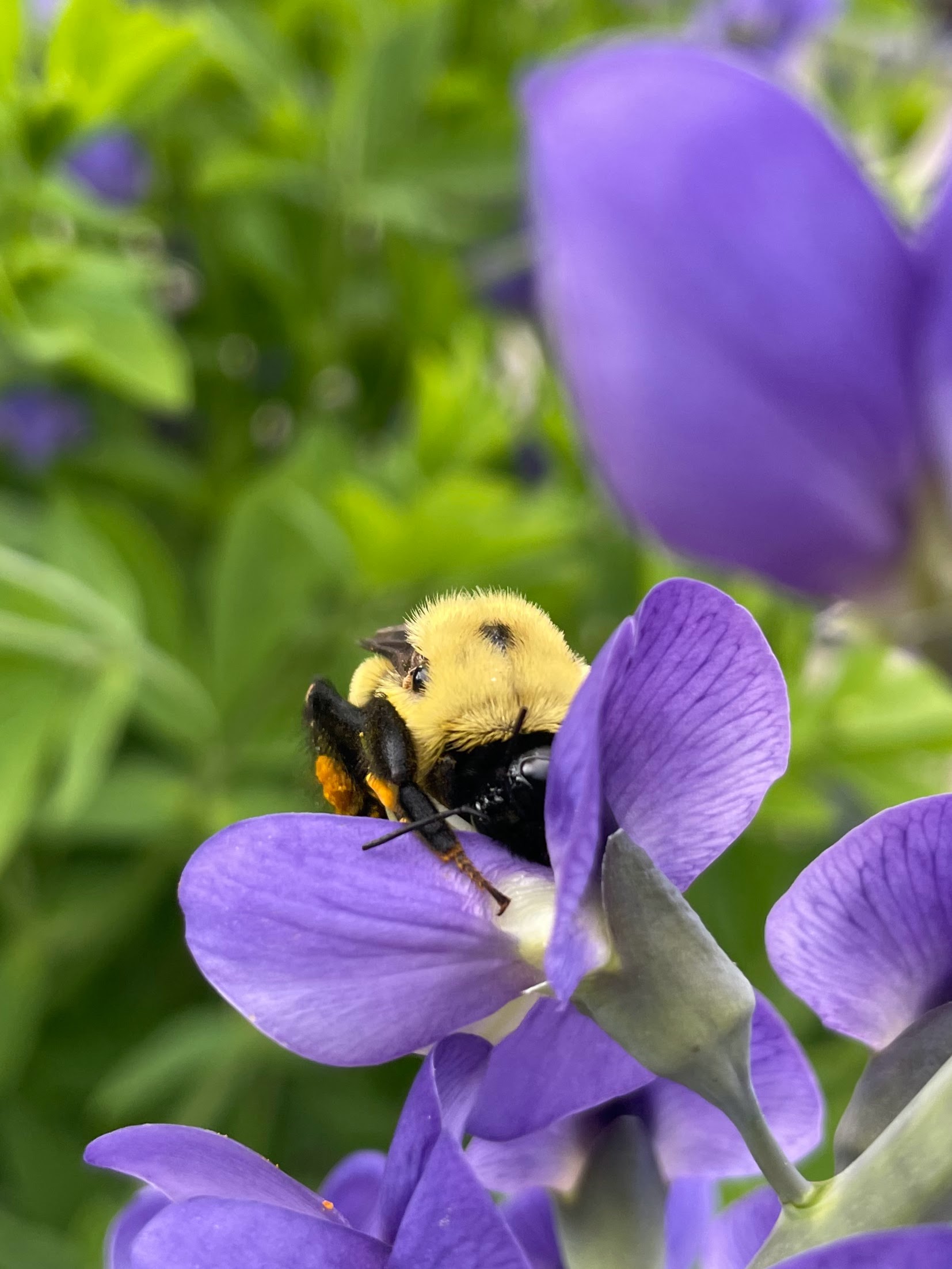
With their lighter-colored center markings, the banners act as sign posts to attract pollinators, ie, bees. (Though most lupines can self pollinate, bees can also help). The two wings form the distinct pea-flower shape and surround the keel, making it hard to see; in the middle photo above, I peeled away one of the wings. The keel protects the flower’s reproductive parts, which are tucked inside it. When a bee lands on the wings, they open up like a clam and expose the keel, which also opens slightly. The bee pollinates the flower by knocking the stigma and anthers together, and in the process collects pollen to feed to its young. The banner then does a really cool thing: it changes color after pollination, to let the bees know there is no more pollen to be had at that particular flower.

So, while the beautiful exteriors of these flowers deserve all the admiration they receive, what they have going on within is pretty fascinating, too!

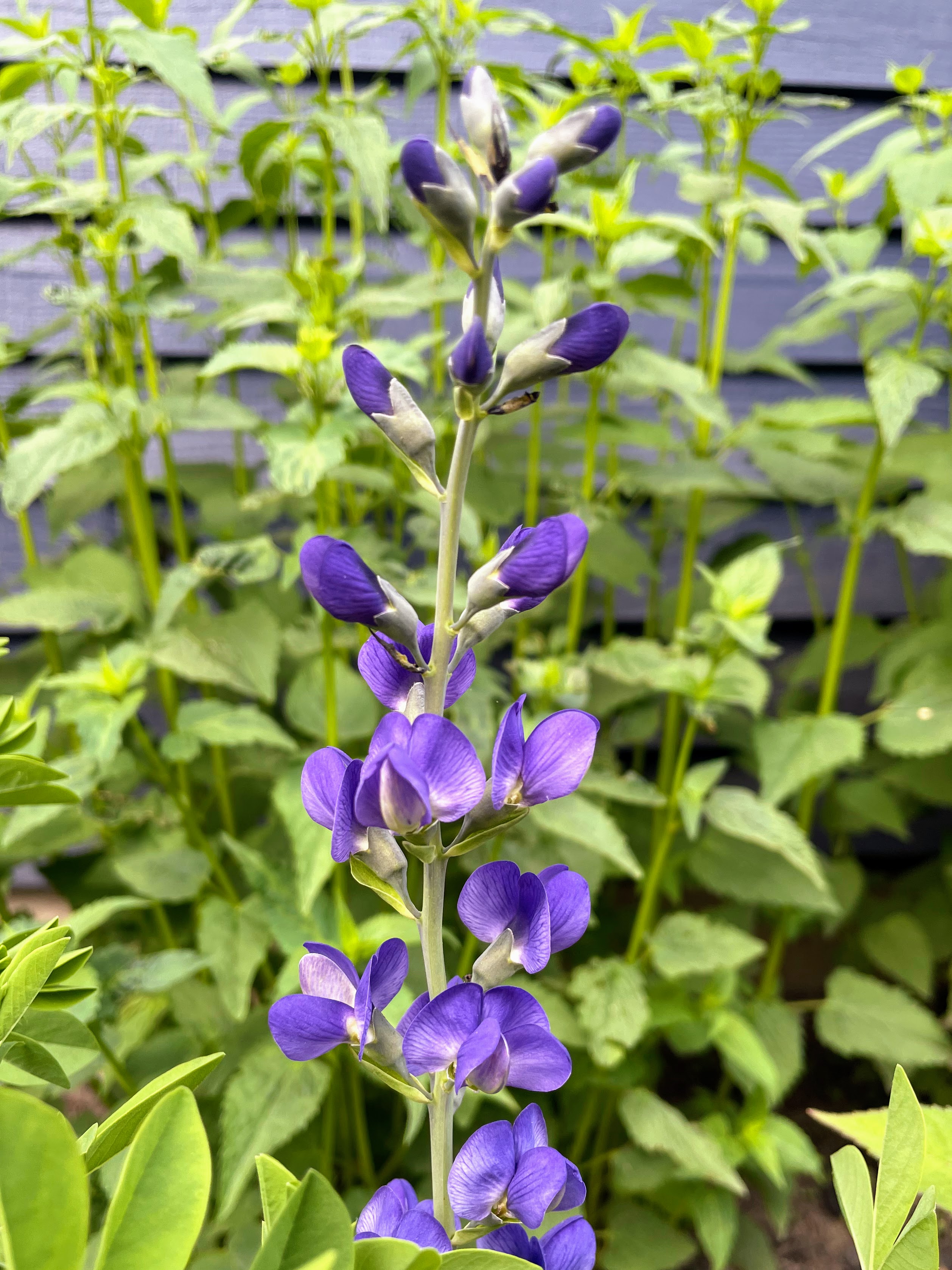
*For flower-comparison sake, here are two photos of Baptisia australis, which also belongs to the Pea family and has banners, wings, and keels. In the last photo, a bee has found its way to the pollen thanks to the banner markings.
Bearded Iris: ‘Spartan’

26 May

In Greek mythology, Iris was the goddess of the rainbow; the flower’s name pays homage to the many colors of irises that exist. In the language of flowers, an iris is viewed as the bearer of good tidings–a reflection of the goddess Iris’ other role as messenger to the gods. I was swayed to include irises in the garden solely because of their beautiful display–but if they also bring good luck, even better.

This year, I added a maroon-colored bearded Iris: ‘Spartan.’ Its name is a nod to ancient Greek history, though their enemies would probably not have equated Spartan warriors with good tidings. I at least hope the name means the three plants I now have in my garden will be hardy.

They are the first bearded irises I have had the pleasure to observe at close range, and though they are now at the end of their brief blooming season, I kept an eager eye on them from the moment they were first in bud:

  
Bud and emerging bloom.


Three upward-facing petals (standards); three downward-facing petals (falls), with the beards resting atop the falls.

  
Close-up of a beard, which helps to guides pollinators (bees) into the flower. With the standard removed and this section of the plant opened up a bit (right), it is easier to see how the beard–and the color pattern–point the way to the nectar at the inner base of the flower. The stamen (male reproductive organ) with its pollen-covered anther is visible at the back, just in front of another petal-like structure that is called the style arm. The style arm is a highly modified pistil (female reproductive organ). Normally it’s a tight squeeze for a bee to get to the nectar; as it heads downward, it will brush up against the anther and get dusted with pollen. When the bee visits another iris, the pollen on its back rubs off and attaches to the sticky stigmatic lip (the arched line toward the top of the style arm, below the upper crest), allowing pollination to begin.

Rudbeckia maxima: A Natural Bird Feeder

21 Sep

Last year I discovered that while my two bird feeders were quite popular, there was another very attractive source of seeds in the yard that was equally as appealing to certain birds: the Rudbeckia maxima (Giant Coneflowers) I had planted near a wrought-iron fence. I watched one day as a small bird flew by, grabbed a stalk in its little talon, pulled the stalk over to the fence, and perched there, nibbling seeds off the cone.

Since then, I have been happy to share the flowers with the birds. I can see the attraction; the Rudbeckia are stunning–they are tall (about 7 ft.) and cheerful, with clumps of silvery-blue foliage and lovely yellow ray flowers pointing down from the base of the cone. The cone starts off light green but then turns dark brown as the plant matures and the seeds come in. And then, it’s buffet time for finches, chickadees, and other birds. A self-service seed bar, courtesy of Mother Nature.
 
Even after the petals have dried up and fallen off, Rudbeckia maxima seed heads can play a striking role in the autumn garden: here is a whole one and a section in close-up.