
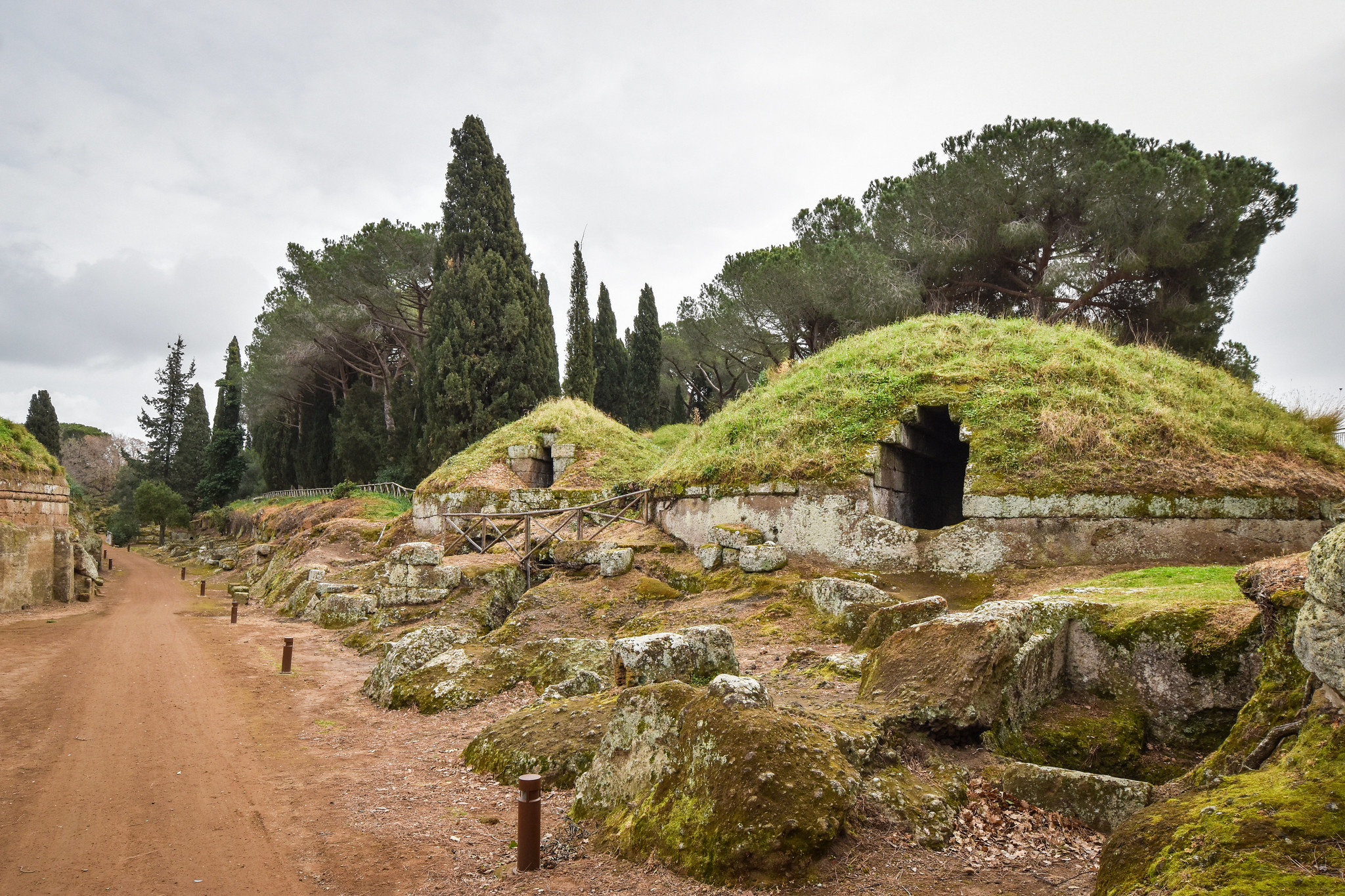
If you are in Rome and fancy a day trip to a place unlike any other you will see in Italy, then you should visit the Etruscan burial complex known as Necropoli della Banditaccia. It is about 45 km (28 miles) from Rome, along the western central coast. If you happen to be lucky enough to go when no one else is there, you will experience an almost Indiana Jones-like feeling as you walk among, and into, tombs that are even older than Rome. (The tombs date from the ninth to the third centuries BC, when the Etruscans were conquered and then assimilated by the Romans.)
The necropolis at Cerveteri is quiet, thick with vegetation, and full of thousands of ancient tombs–many of which are underground. The complex itself is organized like a city, with streets, open areas, and even neighborhoods; it was meant to emulate how the Etruscans lived in life. But as you walk around, you feel it was always a city of the dead.

Both the Necropoli della Banditaccia and another Etruscan burial complex in Tarquinia (about 45km further northwest than Cerveteri) are UNESCO World Heritage sites, and each is worth a visit. The landscape and setting of each necropolis is stunning…


… and the tombs themselves are fascinating, reflecting different burial practices over the centuries. The earliest (and simplest) tombs were just small pits where the ashes of the dead were kept; over time, the tombs evolved into circular burial mounds known as tumuli, which are carved out of the volcanic rock (tufa):

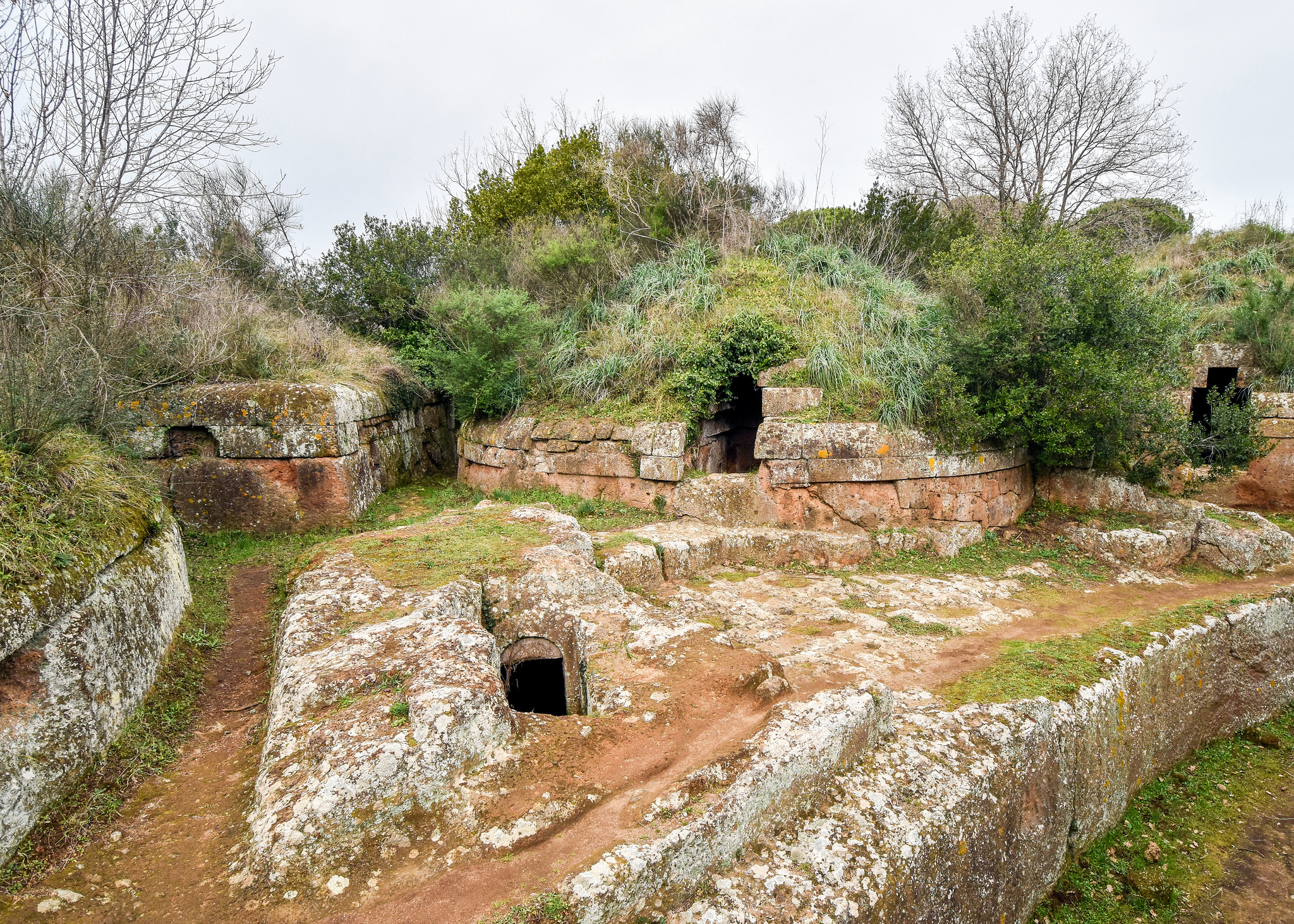
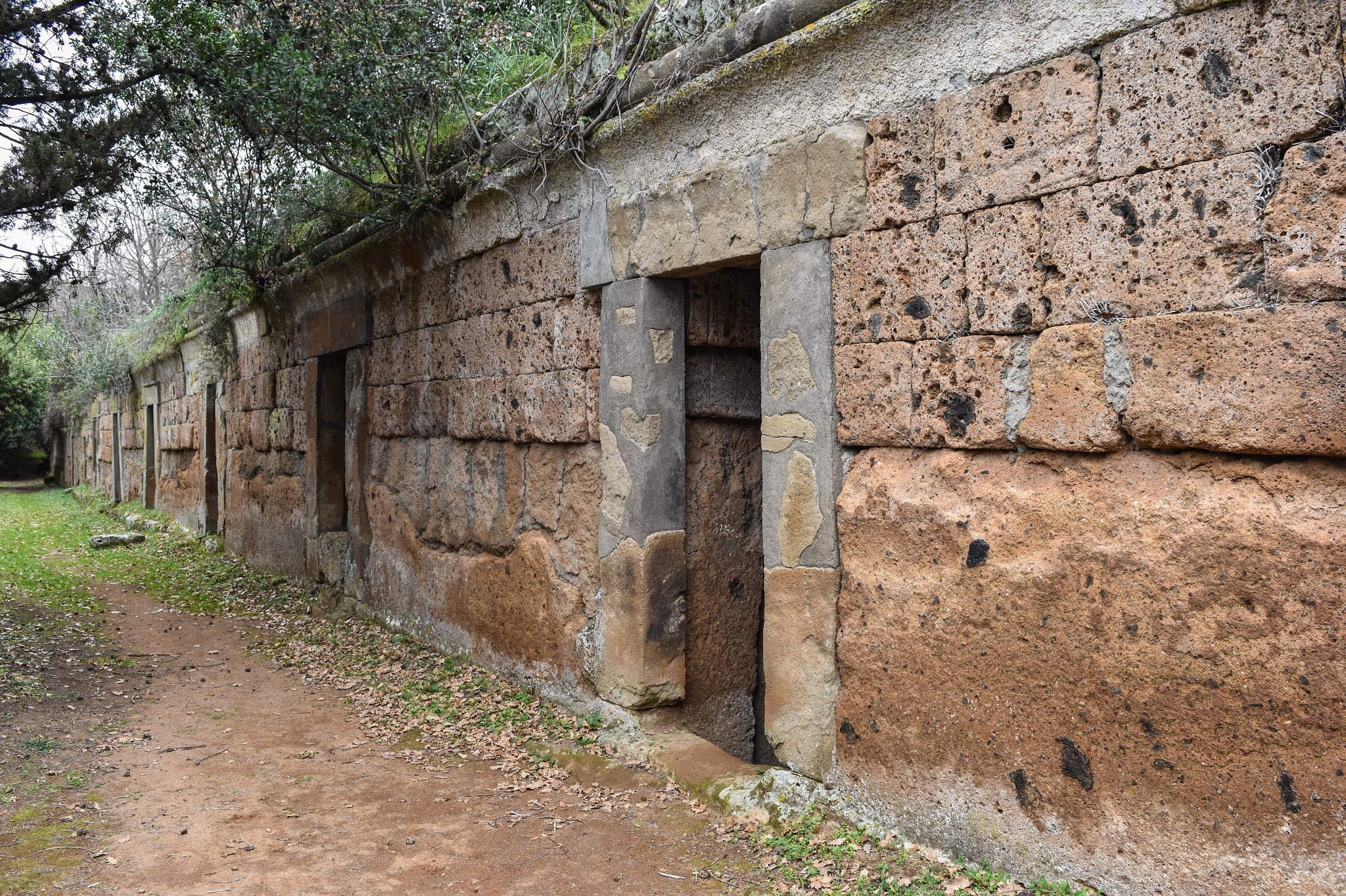
As the complex grew and more streets appeared, “square tombs” were built in long rows along the ancient roads:
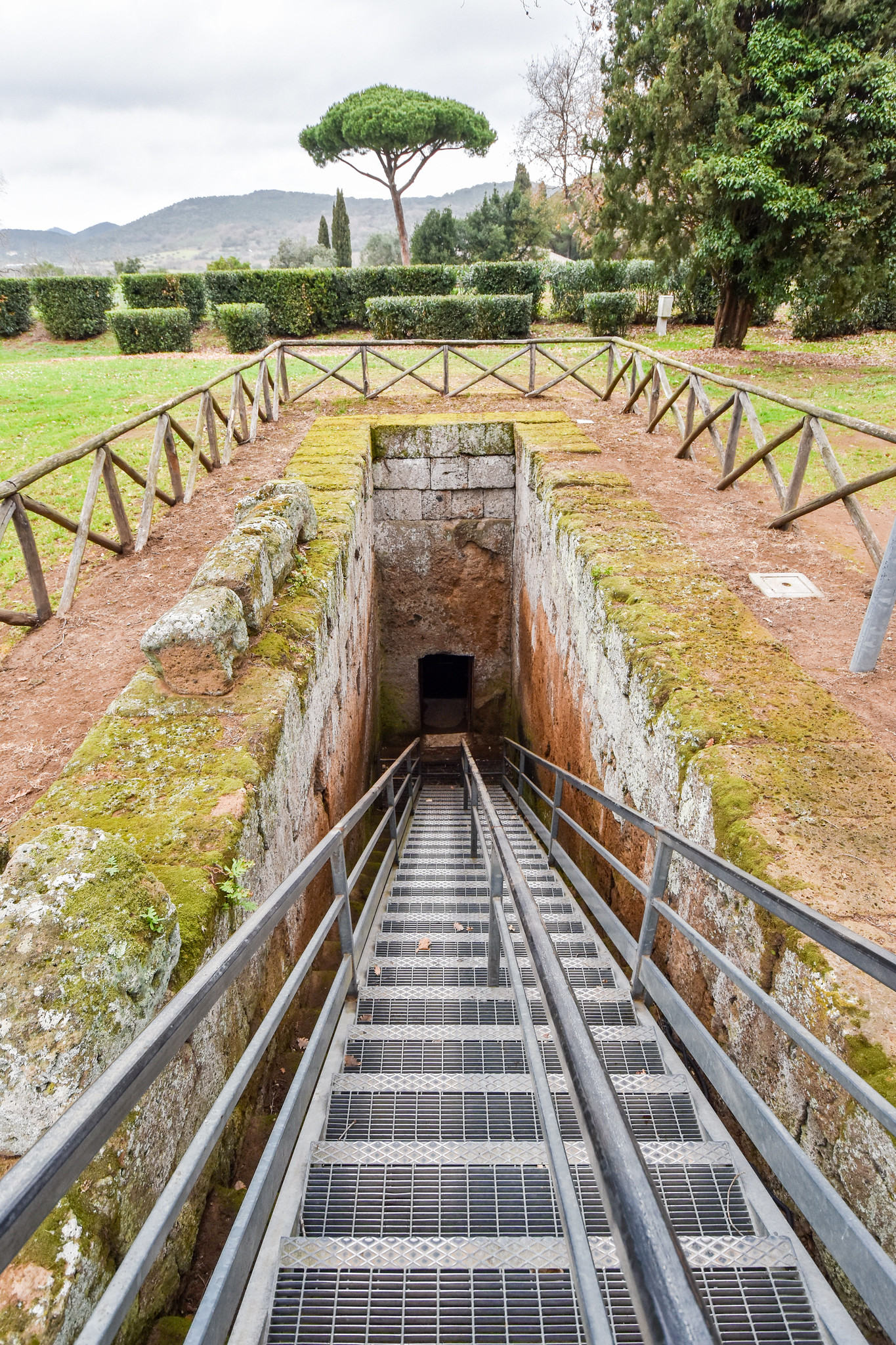
Other tombs were fully underground:

The Tarquinia site is also particularly known for its painted tombs:


As well as its group of funerary urns, which are believed to have housed the cremated remains of a pre-Etruscan, Early Iron Age community dating from 1020 to 750 BC:

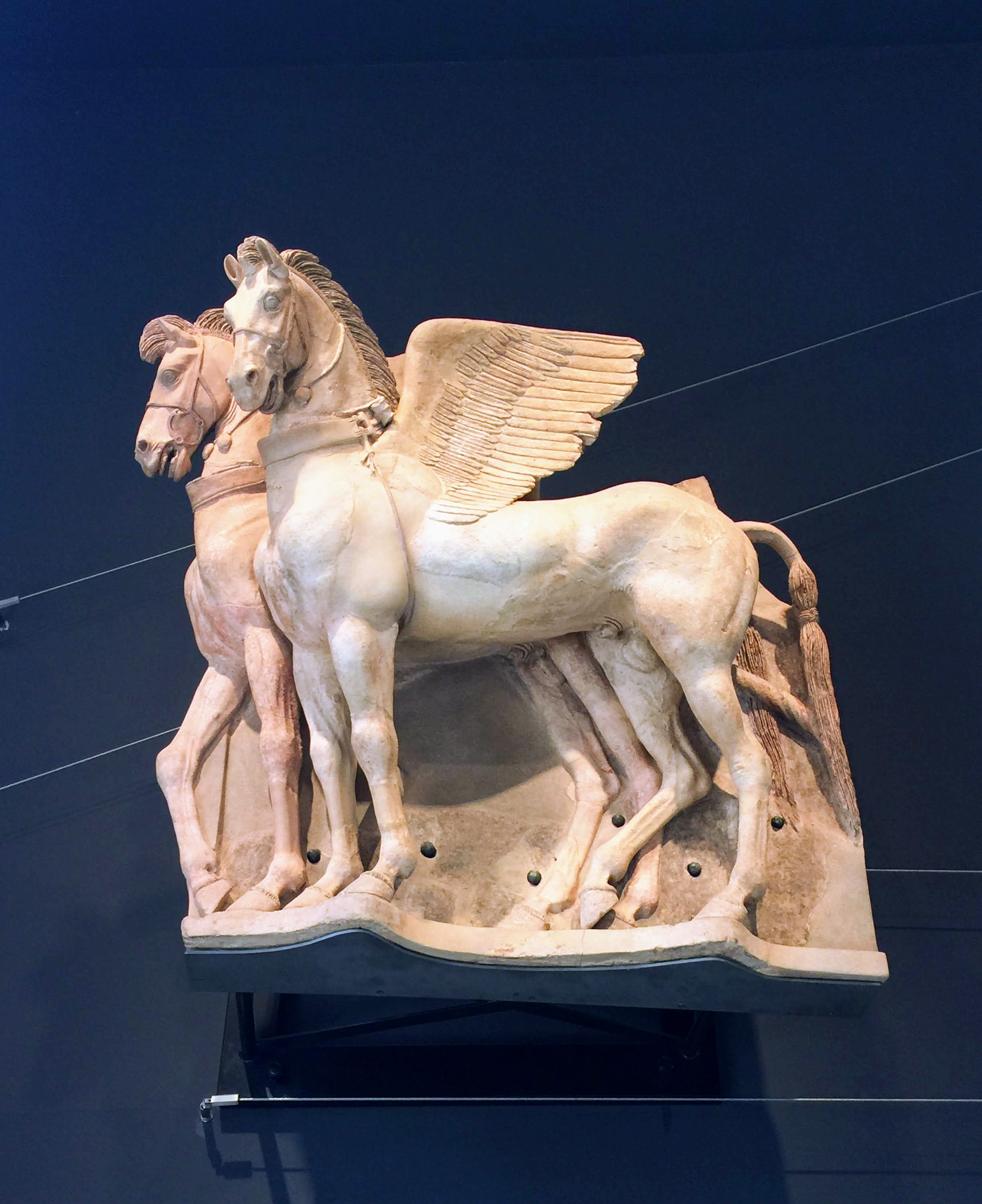
If you visit the Tarquinia site, make time to also go into town and also see the National Archeological Museum, with some spectacular works of art:


 Perennial Pastimes
Leave a comment